About this Discussion

With alarming speed, COVID-19 has infected tens of millions of people worldwide and killed more than one million. It has impacted economies and changed people's lives, particularly the poor and vulnerable who are already disproportionately impacted by climate change and other environmental, social, and economic risks.

The virus has also become central to national policy and has halted business operations in ways that were unimaginable. The economic impacts of these efforts are likely to be felt for years to come.

In addition to responses from government leaders, who are calling for support to cope with the twin crises of public health and rebuilding economies in sustainable and resource-efficient ways, industry and finance stakeholders also have important roles. This includes generating innovative solutions for diversifying production portfolios, building business capacities for sustaining growth, and aligning institutional investors’ fiduciary duties and stewardship practices with long-term decision-making and sustainable value creation.

Upcoming Events

Green Recovery from COVID-19

A post is already pinned to this stream. Would you like to replace it?

"Unless structural issues are addressed, this recovery will leave us with a world vastly more unequal & unfair than before COVID19."

Our latest blog "Recovering from COVID-19: If it isn’t fair and green, it won’t be sustainable" elaborates on what it takes to pivot away from the legacy of a linear, polluting, brown economy towards a greener, more equitable and more circular future.

Read More

https://thegreenforum.org/blog/recovering-covid-19-if-it-isnt-fair-and-green-it-wont-be-sustainable

The Secretariat of the Intergovernmental Science-Policy Platform on Biodiversity and Ecosystem Services (IPBES) issued a scoping report for a thematic assessment of the underlying causes of biodiversity loss and the determinants of transformative change required to address it.

The scoping report highlights that the need for rapid transformative change, which it defines as a “fundamental, system-wide reorganization across technological, economic and social factors, including paradigms, goals and values,” became apparent during the COVID-19 pandemic.

Read More

http://sdg.iisd.org/news/ipbes-to-assess-transformational-changes-to-tackle-biodiversity-loss/

The Covid-19 pandemic continues to dominate headlines with distressing messages about the negative effects on health and the economy. But sometimes a positive message creeps through.

The long months of lockdown and reduced economic activity have reduced emissions of greenhouse gases and air pollutants. In many areas, improved air quality has been hailed as a key side benefit of the crisis.

But as economic activity picks up again, are lower pollution levels really the silver lining of the Covid pandemic?

Read More

https://oecd-environment-focus.blog/2021/06/04/are-lower-pollution-levels-really-the-silver-lining-o...
Stephani Widorini commented on Andrew Pickens's Post in Natural Capital, Climate Change, Green Recovery from COVID-19
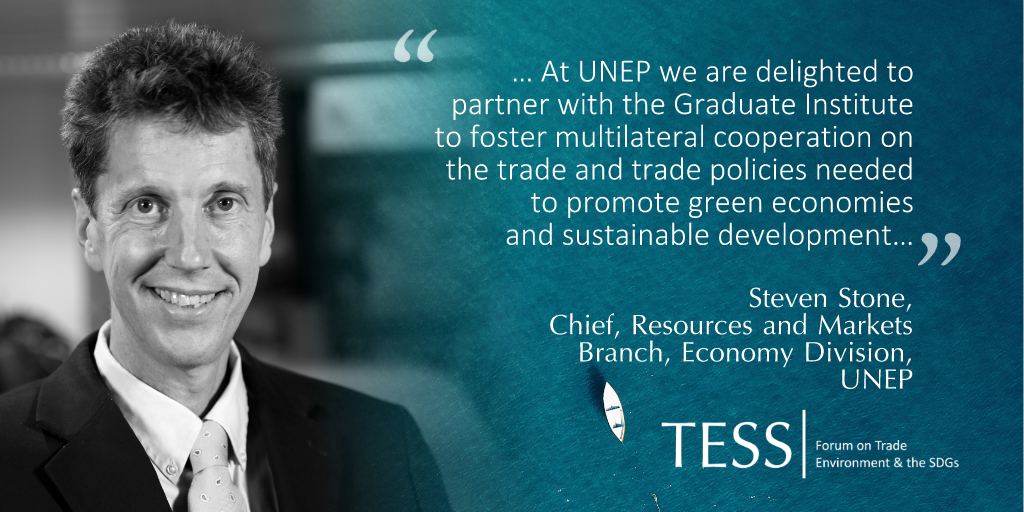
In the wake of World Environment Day, the Graduate Institute and UNEP have launched their new partnership, the Forum on Trade, Environment and the SDGs (TESS), to support dialogue and action on trade policies that advance environmental sustainability and the UN Sustainable Development Goals (SDGs).

Mandated to ‘connect, inform, analyse and empower’, the work of TESS combines public facing events and policy briefs; expert and stakeholder roundtables; and off-the-record consultations key to supporting international policymaking processes.

Read More

https://tessforum.org/

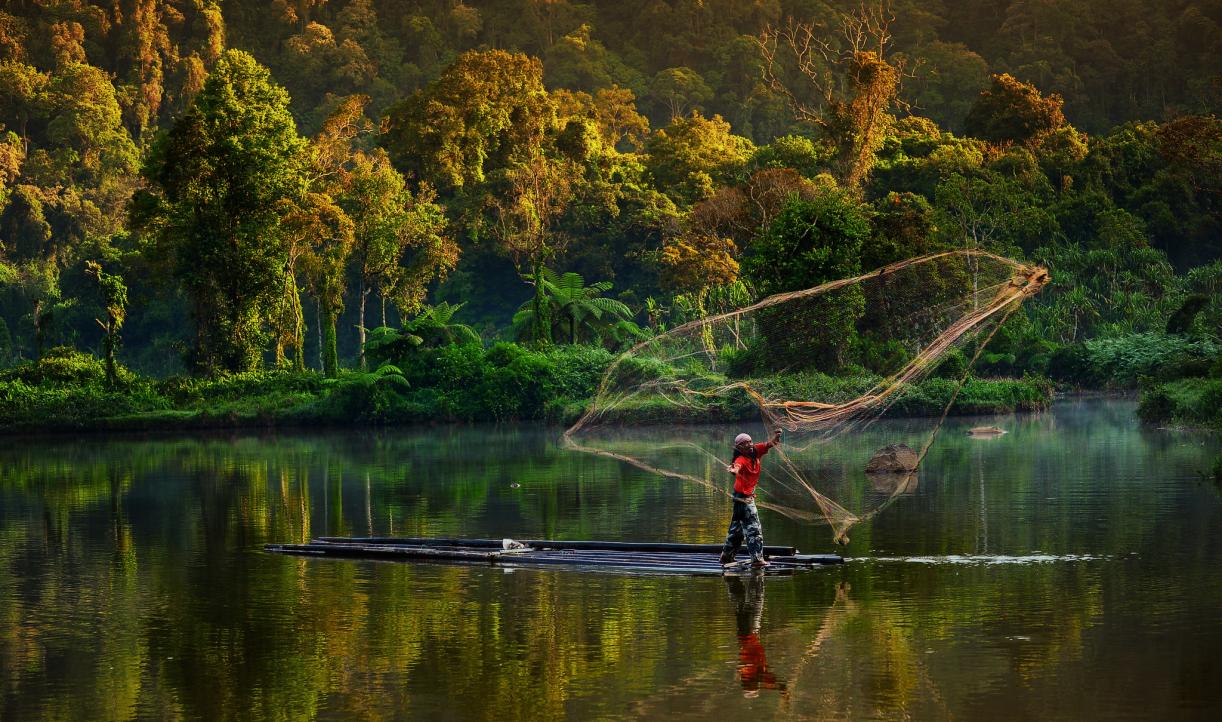
How can emerging economies pursue green recoveries? Research in Brazil and Indonesia shows that transitioning to a low-carbon pathway can deliver jobs, economic & health benefits.

Read More

https://www.wri.org/insights/how-emerging-economies-can-pursue-green-recoveries
d\carb - Future Economy Forum

Postgrowth and Degrowth: The (Im)possibility of Green Growth and its Alternatives Read More

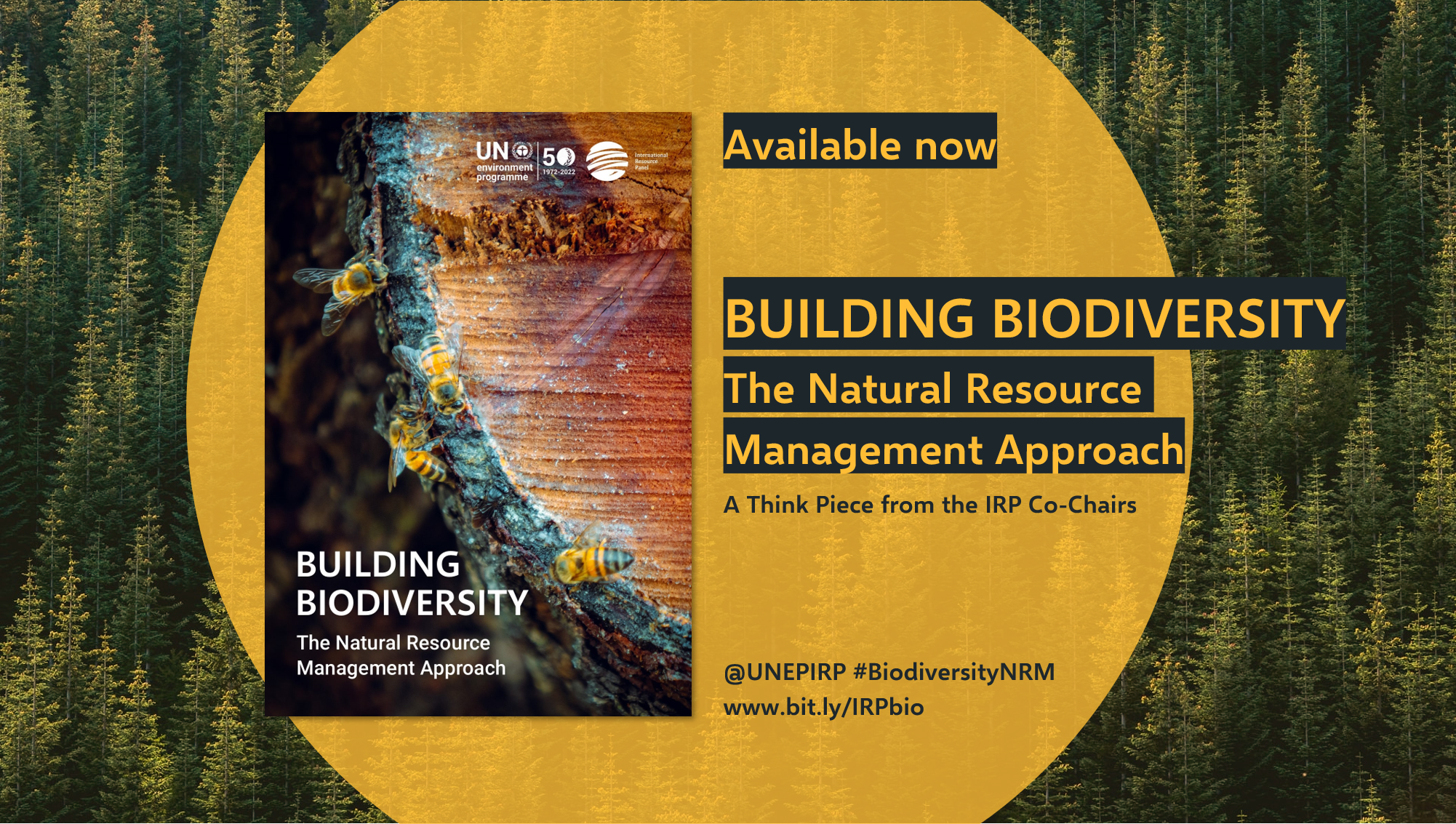
As policymakers prepare for the CBD COP 15 (Kunming, 11-24 October 2021), Co-Chairs of the UNEP/International Resource Panel have published science-based principles to help them move beyond pledges and commitments.

The report features four principles to turn biodiversity loss into biodiversity value through Natural Resource Management:

- Know your true impact - Value-chain transparency
- Plan together - Integrated landscape planning
- Grow with nature - Nature-based and circular solutions
- Value nature - Recognize nature’s benefits

Those principles are also illustrated by a selection of case studies implemented successfully around the world.

Read More

https://www.unep.org/resources/report/building-biodiversity-natural-resource-management-approach
https://www.youtube.com/watch?v=fHUajOH-4KA&feature=youtu.be

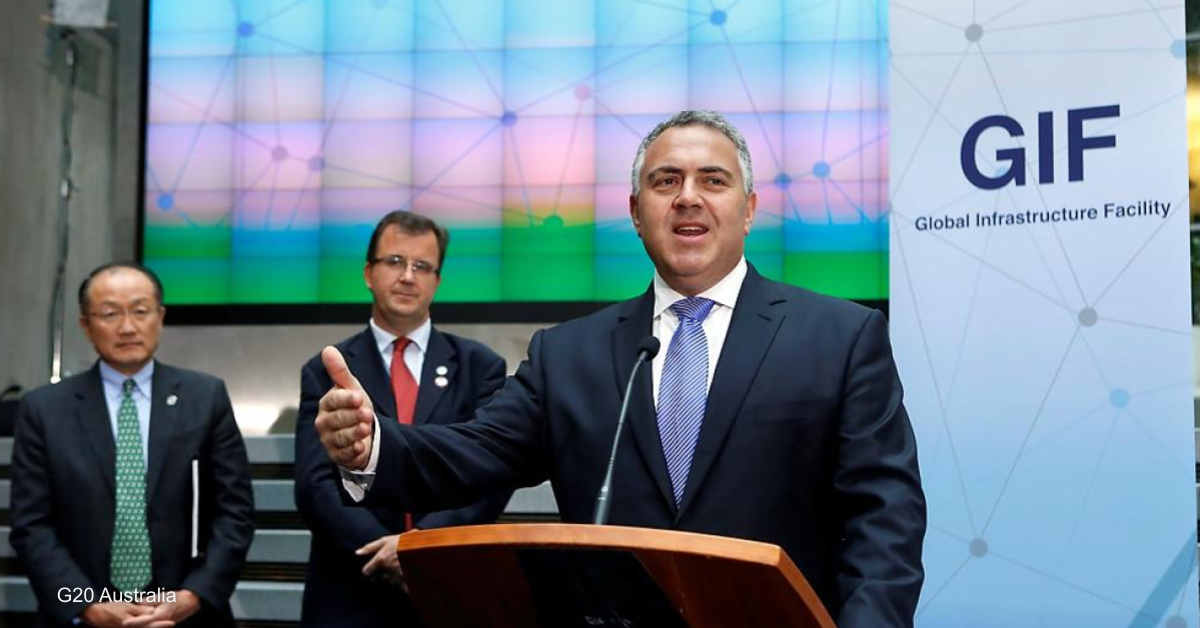
Infrastructure is key in many countries’ recoveries from COVID-19, but private financing in the sector only comprises around 0.7% of all debt and equity investments in emerging markets and developing economies. With approximately 75% of the infrastructure that will exist in 2050 not yet built, there is a clear opportunity for growth. What will it take to bring in private finance?

Read More

https://www.devex.com/news/how-to-scale-private-finance-for-sustainable-infrastructure-99916
Maria Dumpert commented on Maria Dumpert's Post in Climate Change, Green Recovery from COVID-19

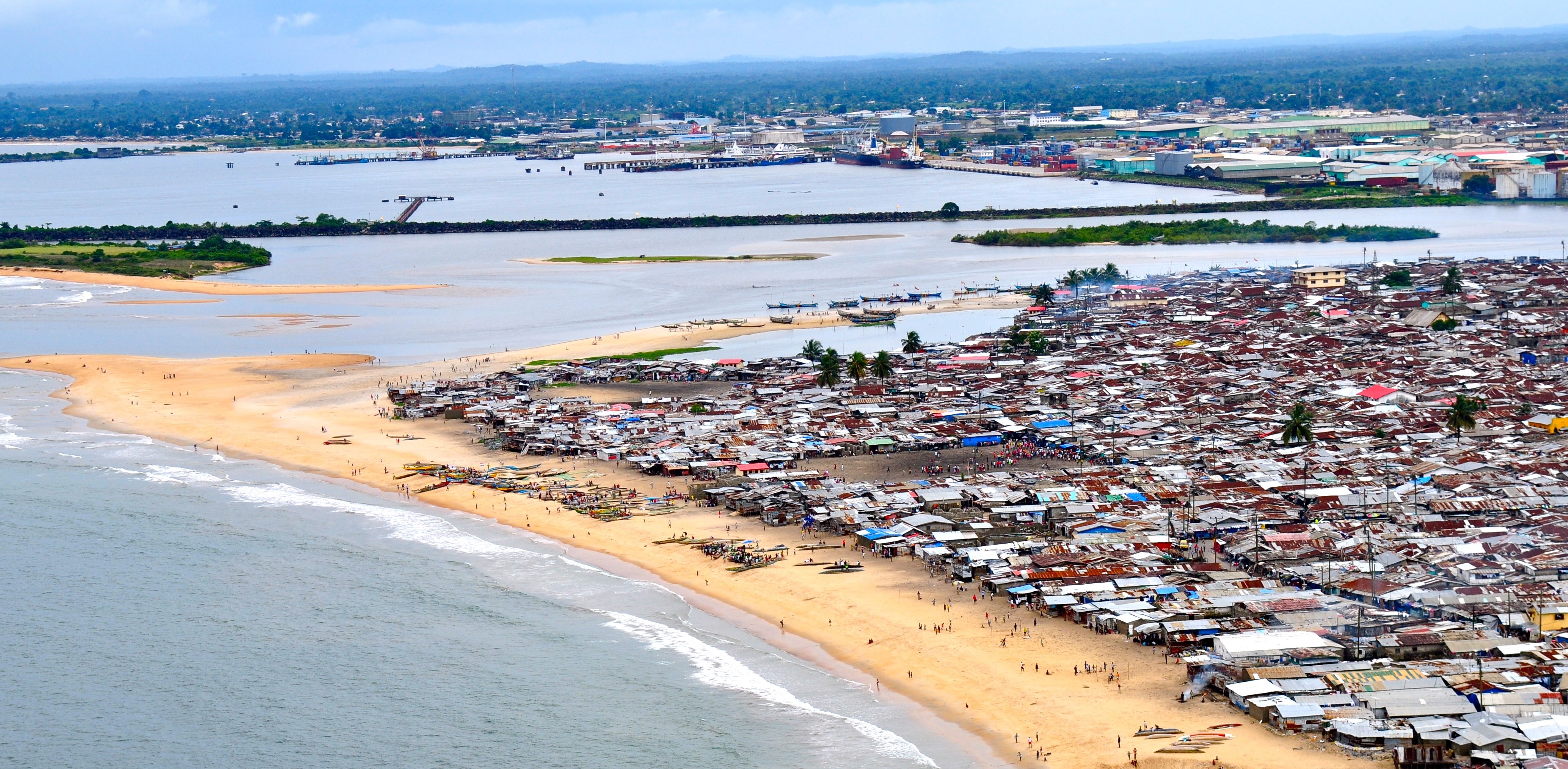
Climate Action Drivers Liberia's Economic Recovery - "Rather than seeing the pandemic as a reason to divert resources from climate action, we see it as a reason to increase our efforts, particularly given the high costs of inaction. While each identified ERP recommendation has an implementation cost, each also has much higher costs if we do not act. These may manifest as, for instance, higher long-term operation and maintenance costs, reduced agricultural productivity, or higher total energy costs." - Benedict Kolubah, Assistant Minister of Development Planning

Read More

https://ndcpartnership.org/news/climate-action-drives-liberia%E2%80%99s-economic-recovery

"Take, make, dispose, repeat are four words that underpin every aspect of our daily lives. But at what cost to people, and our planet?"

Check out the latest episode of #TheGreenRenaissance: From Lines to Loops for a Circular Economy - out now! ⭕

With COVID-19 again highlighting the wastefulness of our economic model, how do we embrace circularity as part of a green recovery to deliver on multiple fronts?

This month Ellen MacArthur Foundation’s Miranda Schnitger, UNIDO’s Nilgün Tas and Centro Tecnológico del Plástico’s Paula Iharur have the answers!

⚫ Subscribe: bit.ly/3vXy6bn
? Spotify: spoti.fi/31D2gDM
? Apple: apple.co/3we1E5n
? Soundcloud: bit.ly/3bBUUFZ
? YouTube: bit.ly/3v2YK2m

Read More

https://www.youtube.com/watch?v=7SBzgsSffpc