About this Discussion

With alarming speed, COVID-19 has infected tens of millions of people worldwide and killed more than one million. It has impacted economies and changed people's lives, particularly the poor and vulnerable who are already disproportionately impacted by climate change and other environmental, social, and economic risks.

The virus has also become central to national policy and has halted business operations in ways that were unimaginable. The economic impacts of these efforts are likely to be felt for years to come.

In addition to responses from government leaders, who are calling for support to cope with the twin crises of public health and rebuilding economies in sustainable and resource-efficient ways, industry and finance stakeholders also have important roles. This includes generating innovative solutions for diversifying production portfolios, building business capacities for sustaining growth, and aligning institutional investors’ fiduciary duties and stewardship practices with long-term decision-making and sustainable value creation.

Upcoming Events

Green Recovery from COVID-19

A post is already pinned to this stream. Would you like to replace it?

IFC report reveals how a green post-COVID recovery focused on decarbonizing energy infrastructure, building climate-smart cities, and accelerating a shift to more sustainable production can gain economic and climate benefits -
based on analysis from 10 key sectors across 21 major emerging market economies that represent 62% of the world's population and 48% of global GHG emissions.

Read More

https://www.ifc.org/wps/wcm/connect/topics_ext_content/ifc_external_corporate_site/climate+business/...

Can we reboot economic activity while maintaining the current emissions trajectory caused by the COVID-19 lockdowns? This key question has been raised by CDP. This blog post explores five lessons learnt at the CDP Europe Awards 2021: (1) Ambitious decarbonisation is possible.
(2) Building forward better requires the most ambitious targets.
(3) Technology and innovation will be significant in transition to the low-carbon economy.
(4) The circular economy is an integral part of the agenda.
(5) Financial institutions need to drive the transition.

Read More

https://www.cdp.net/en/articles/companies/5-lessons-from-the-cdp-europe-awards-2021

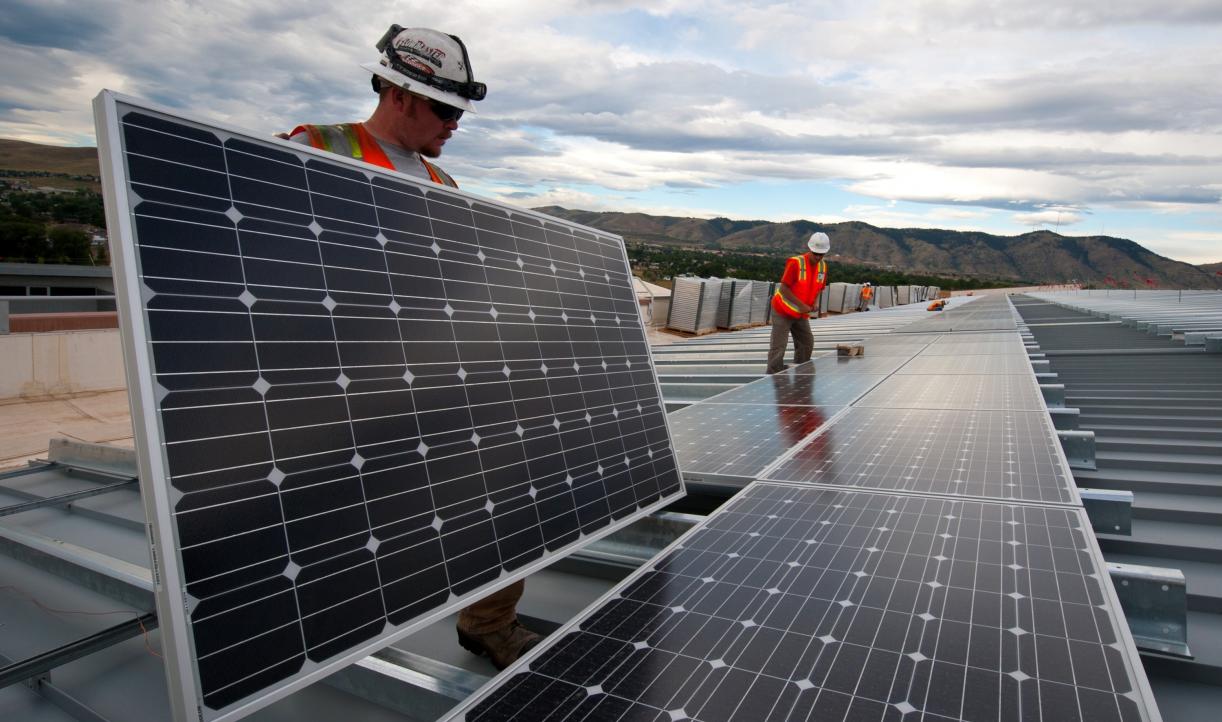
Clean energy is a growing economic engine for rural communities across the United States. In many regions, clean energy jobs are diversifying the rural economy and helping to transform areas that may otherwise struggle to attract jobs and investments or have been facing years of economic stagnation. This post visualises the relevant data into graphics to show the status of clean energy jobs in the rural parts of the US.

Read More

https://www.wri.org/insights/clean-energy-jobs-rural-communities-us-5-graphics?utm_campaign=wridiges...

What is the link between environmental degradation and increased frequency of zoonotic disease outbreaks? This news article recognises how financial and technical support is an important aspect in preventing disease outbreaks.

Read More

https://www.graduateinstitute.ch/communications/news/global-pandemic-treaty-should-aim-deep-preventi...

The possibility of achieving economic growth and reducing carbon emissions simultaneously has been a big debate for a long time. This moderated discussion introduces two economists' view on the topic.

Read More

https://www.mcc-berlin.net/en/news/information/information-detail/article/do-we-have-to-shrink-the-e...

How can we regenerate our society and economies following the pandemic? This blog posts explores the green recovery journey which seeks to address the important sectors in the economy - business, capital markets, local and national governments to work together on ambitious climate action.

Read More

https://www.cdp.net/en/articles/climate/why-disclosure-is-essential-to-corporate-environmental-leade...

To what degree have different types of green financial policy and regulatory measures been a key driver of green finance in different markets?

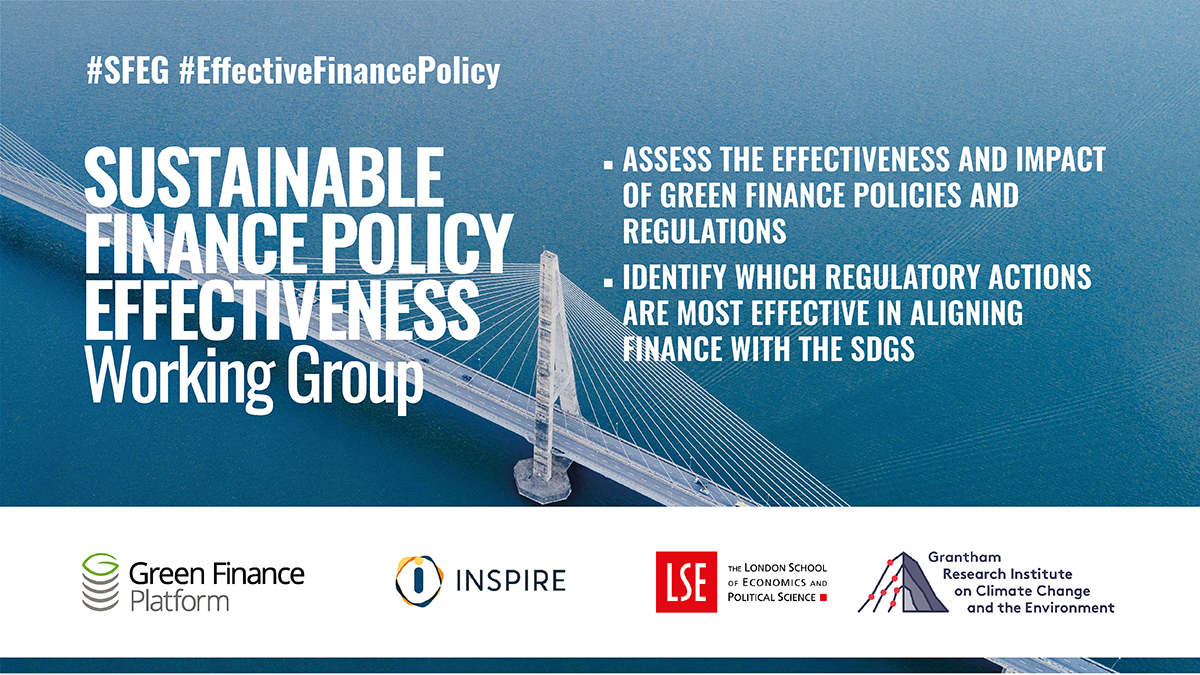
The Green Finance Platform, the International Network for Sustainable Financial Policy Insights, Research, and Exchange (INSPIRE), and the Grantham Research Institute on Climate Change and the Environment launched the Sustainable Finance Policy Effectiveness Working Group to provide financial policymakers with evidence on which regulatory actions may be most effective to support the alignment of financial markets with sustainable development

Read More

https://www.greenfinanceplatform.org/working-group/sustainable-finance-effectiveness-working-group

How can different types of green finance measures stimulate market growth while contributing to positive environmental impacts?

Today, the Green Finance Platform, the International Network for Sustainable Financial Policy Insights, Research, and Exchange (INSPIRE), and the Grantham Research Institute on Climate Change and the Environment announced the launch of a new Working Group dedicated to Sustainable Finance Policy Effectiveness

Read More

https://www.greenfinanceplatform.org/news/green-finance-platform-inspire-and-grantham-research-insti...

While governments take urgent action to ease the pain of the COVID-19 pandemic with substantial fiscal and liquidity support packages, far less effort has been expended to make economies resilient to climate change and to decarbonise the energy, transport, and agricultural sectors.

Read More

https://blogs.iadb.org/ideas-matter/en/managing-the-existential-crises-of-covid-19-and-climate-chang...