About this Discussion

In 2019, over 92 billion tonnes of materials were extracted and processed, contributing to about half of global CO2 emissions. This “take-make-dispose” approach and the resulting waste – including plastics, textiles, food, electronics and more – is taking its toll on the environment and human health.

A circular economy model replaces this end-of-life concept with restoration, shifts towards the use of renewable energy, eliminates the use of toxic chemicals, which impair reuse and return to the biosphere, and aims for the elimination of waste through the superior design of materials, products, systems and business models. The circular economy approach improves resource efficiency and reduces environmental impact on natural capital by designing products in a more recyclable way, adopting efficient technology and turning waste into a resource. The circular economy offers a trillion-dollar opportunity in terms of possible material savings, innovation and job creation, improved land productivity and soil health, and green growth. Achieving this, however, requires strong collaboration between leaders from business, government and civil society.

Upcoming Events

Circular Economy

A post is already pinned to this stream. Would you like to replace it?

All eyes are on COP27 and financing the clean energy transition in emerging economies is high on the agenda.

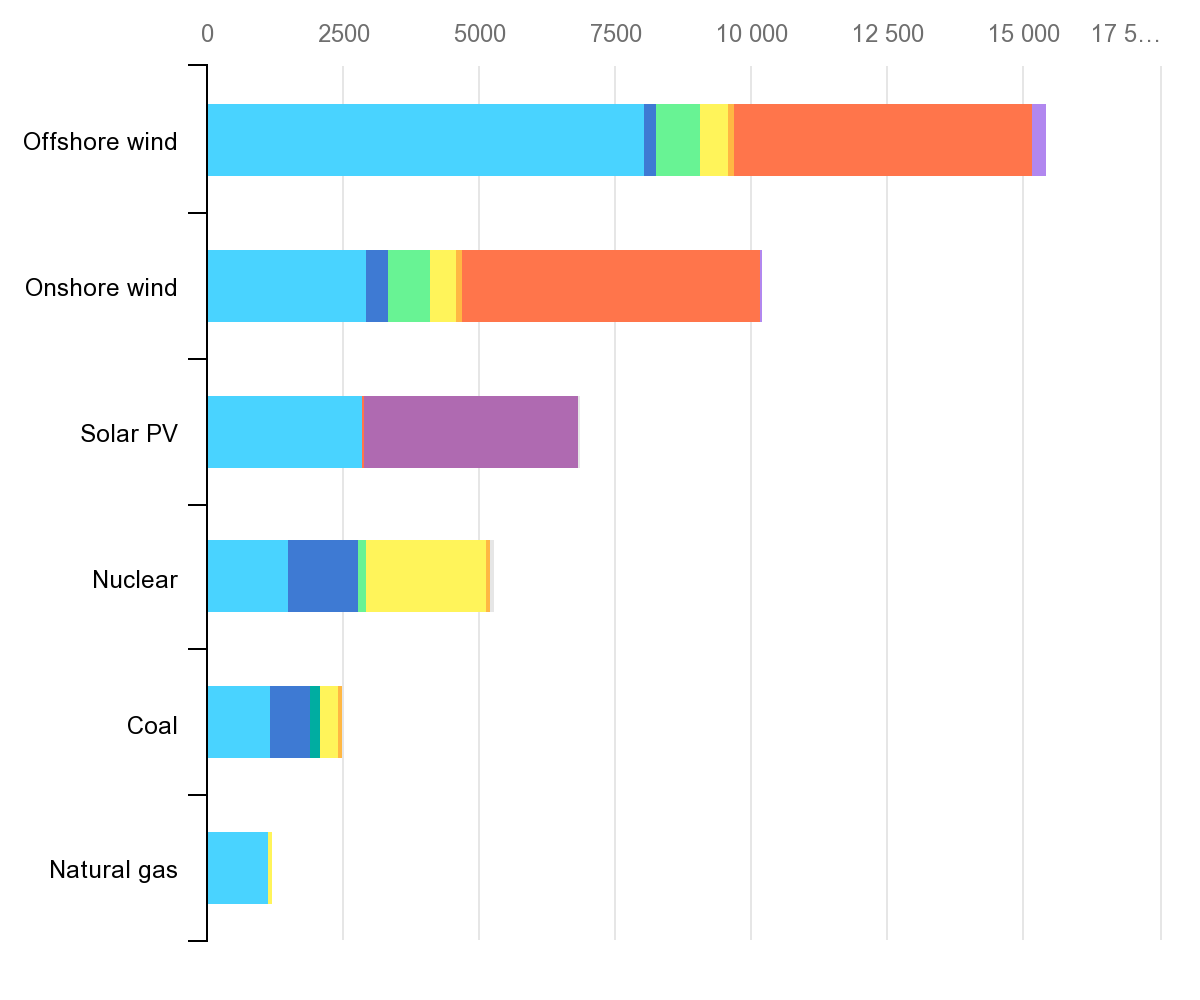
To build the renewable energy infrastructure the world needs at speed and scale, circular economy will play a vital role like factoring circularity into the design stage. In the transition to clean energy, critical minerals bring new challenges to energy security. According to the IEA, getting to net zero by 2040 will require a six-fold increase in mineral input by 2040, some key metals, such a lithium, could see growth rates of over 40 times, with nickel and cobalt demand growing more than 20 fold.

See the attached image: IEA, Minerals used in clean energy technologies compared to other power generation sources, IEA, Paris https://www.iea.org/data-and-statistics/charts/minerals-used-in-clean-e…, IEA. License: CC BY 4.0

How can we reshape the renewable energy industry, including EVs and batteries, to reduce the dependence on virgin critical materials in order to stem biodiversity loss and ecological degradation from unsustainable mining?

Read More

Created an Opportunity in Circular Economy
Closing:
the United Nations Environment Programme(UNEP)

The aim of this consultancy is to support the work of the UNEP Consumption and Production Unit in Paris, France in the area of circularity. In particular, the Consumption and Production Unit provides support to the operations of the Global Alliance on Circular Economy and Resource Efficiency (… Read More

Emmanuel F. C. Chimamkpam commented on Clara Mottura's Post in Circular Economy, Agriculture, Industry and Entrepreneurship

What's the deal with methane?

Colourless, odourless and invisible to the naked eye, methane is a potent greenhouse gas, responsible for more than 25 per cent of the global warming we are experiencing today.

Methane is released in the atmosphere by the energy sector (oil, gas, and coal), agriculture particularly from livestock such as cattle and waste, as bacteria break down organic matter in landfills.

Reducing methane emissions is possible and it would hugely contribute to reduce global warming in the short term. One way of doing it is shifting our diets toward more plant-based food and composting organic waste.

Read More

https://youtu.be/O3aHhhE0E54

A really insightful blog by Laxmi Haigh of Circle Economy - bringing up the circularity within the context of just, inclusive, and sustainable development, the blog highlights unsuitable circular economy policies that sometimes come at the expense of lower income countries; over reliance to technology and business model that sometimes don’t fit in the local context causing even more issues; and an example of inclusive energy transition while ensuring we leave no one behind, including women.

Thank you Ana Birliga Sutherland for bringing this to my attention!

Read More

https://thegreenforum.org/blog/sustainability-policy-can-worsen-global-inequalities-heres-what-we-sh...

Created a Post in Circular Economy

If we continue business as usual, we will double the extraction of materials by 2060, far beyond planetary boundaries. It simply not possible. As a society, we need to face the fact that circularity is the only response possible to a growing population on a finite planet.

But what does circularity actually mean?

if you are asking yourself this question - and no worries, you are not the only one - have a look at the UNEP Circularity Platform. I think it is a very useful resource which summarises the circularity concept, its scope and how it contributes to sustainable consumption and production patterns.

Read More

https://buildingcircularity.org

Created a Post in Circular Economy

If we continue business as usual, we will double the extraction of materials by 2060, far beyond planetary boundaries. It simply not possible. As a society, we need to face the fact that circularity is the only response possible to a growing population on a finite planet.

But what does circularity actually mean?

if you are asking yourself this question - and no worries, you are not the only one - have a look at the UNEP Circularity Platform. I think it is a very useful resource providing an understanding of the circularity concept, its scope and how it contributes to promoting sustainable consumption and production patterns.

Read More

https://buildingcircularity.org
Stephani Widorini commented on Gayeon Shin's Post in Circular Economy

Created a Post in Circular Economy

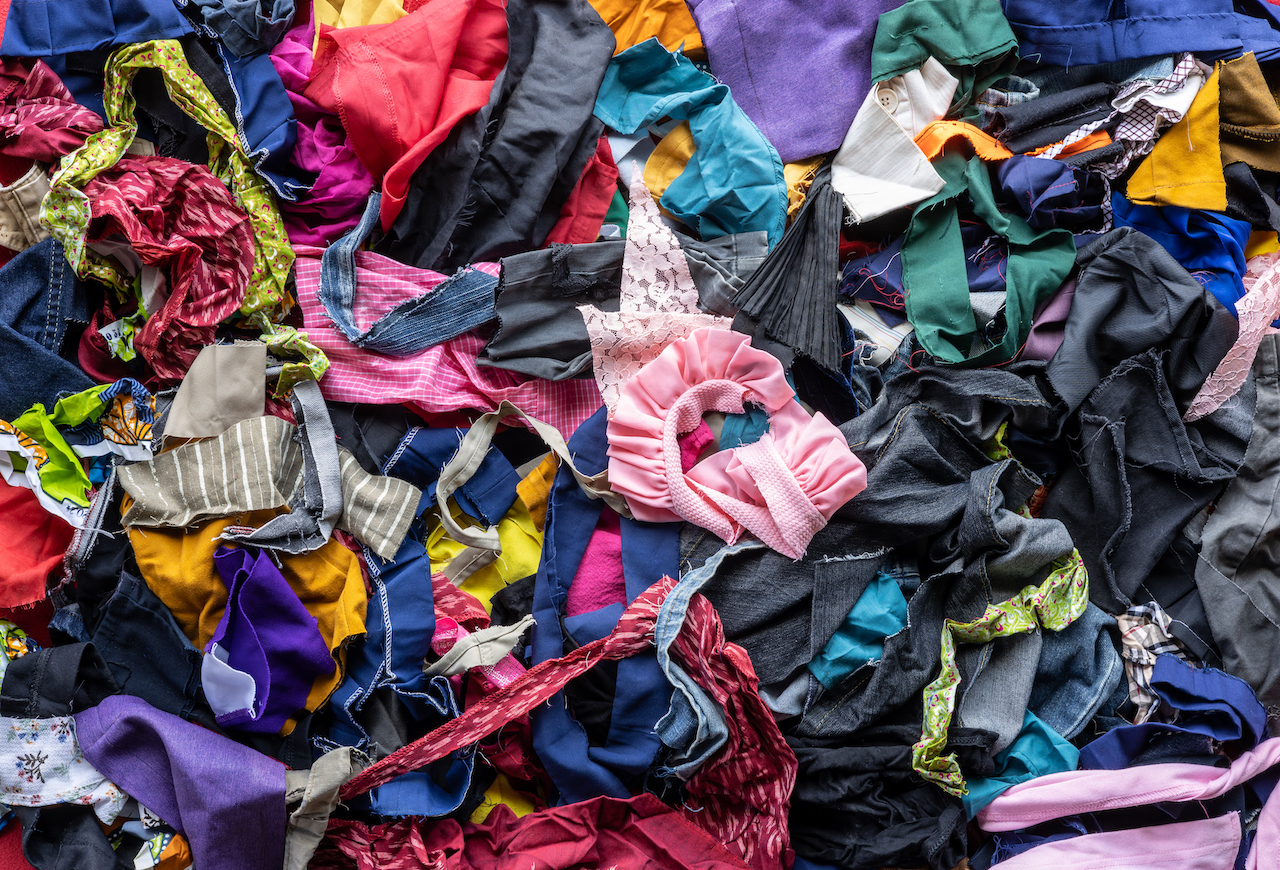
Sorting and recycling of low value, post-consumer textiles would generate an additional €74m per year in value for the European economy.

This is the finding of the Sorting for Circularity Europe Project analysing post-consumer garments in Belgium, Germany, the Netherlands, Poland, Spain and the UK.

This provides a strong business case for sorting of low value textiles in Europe and highlights that greater investment as well as policy reforms are needed.

Read More

https://impact-investor.com/recycling-of-textile-waste-in-europe-could-generate-e74m-per-year-report...

Created a Post in Circular Economy

Can Extended-Producer-Responsibility (EPR) be the response to circularity? Alberta, Canada, thinks so.

Alberta has started the regulatory process that will shift the cost of recycling away from municipalities and onto the companies that produce the items.

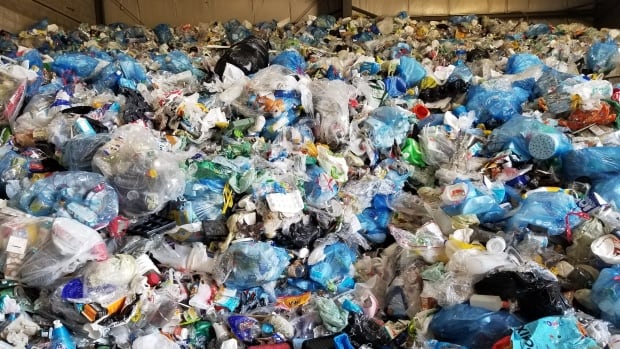
The new extended producer responsibility regulation, covers product packaging, single-use products, paper products, batteries, pesticides, most corrosive and flammable household products and their containers.

It sets out annual targets for what must be recycled. For example, 80 per cent of the paper products listed in the regulation that are used in Alberta homes must be recycled by 2027. The goal is 95 per cent by 2033.

? Is any EPR scheme available in your country or state? Let us know in the comments below!

Read More

https://www.cbc.ca/news/canada/edmonton/alberta-releases-four-year-plan-to-shift-cost-of-recycling-t...

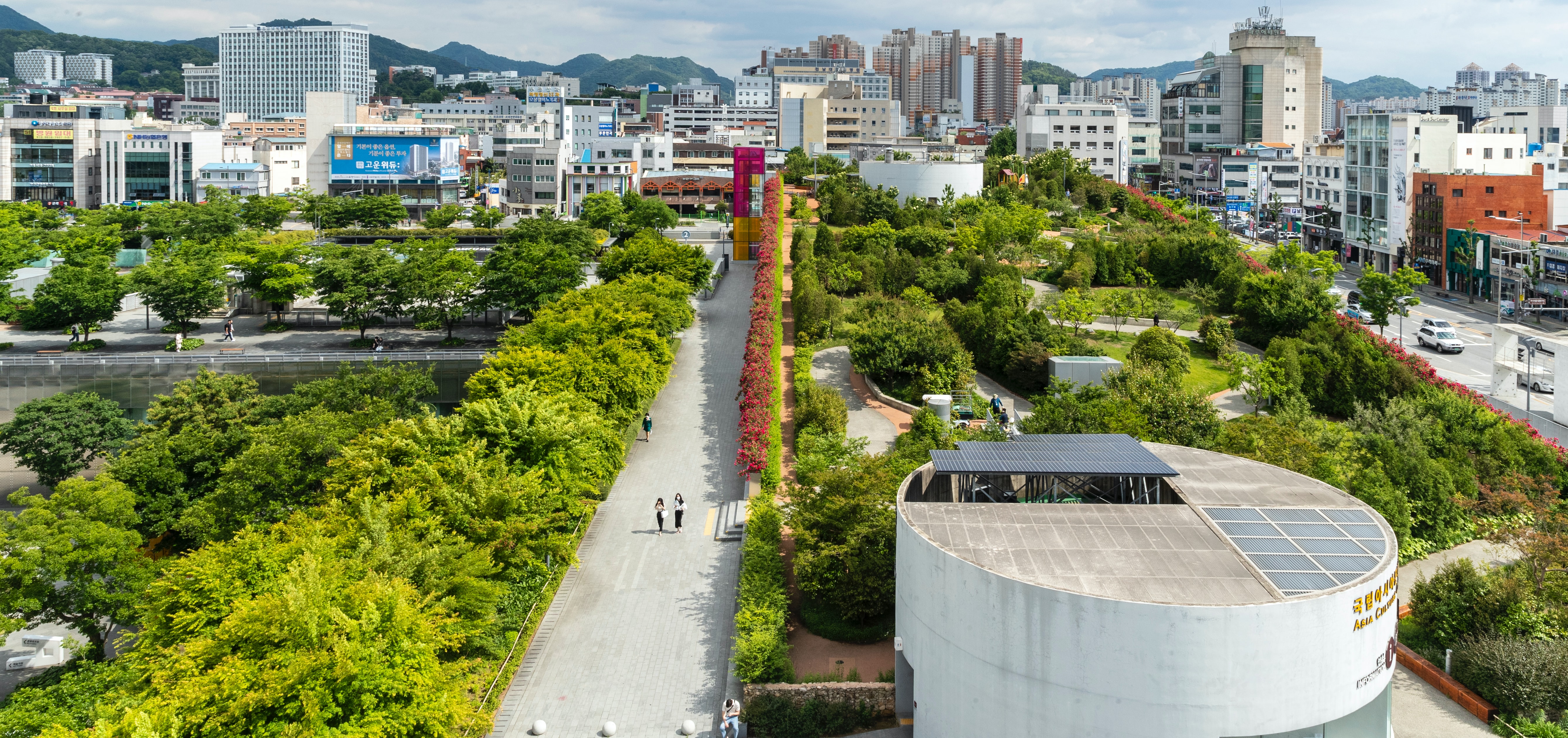
How can a circular economy create climate-resilient cities?

The Ganbatte platform provides data-driven insights to help cities transition to circularity:
?️ 6000+ cities' data
? 4900+ case studies
? 50+ circular solutions
✅ 5 steps

Explore the tool ⤵

Read More

http://ggkp.org/ZTr
| Online
Circle Economy

This is an official side event of the 2022 World Circular Economy Forum. This session will explore how governments and multilateral organisations can tackle environmental challenges in a way that promotes decent jobs and secure livelihoods for all. Read More