About this Discussion

In 2019, over 92 billion tonnes of materials were extracted and processed, contributing to about half of global CO2 emissions. This “take-make-dispose” approach and the resulting waste – including plastics, textiles, food, electronics and more – is taking its toll on the environment and human health.

A circular economy model replaces this end-of-life concept with restoration, shifts towards the use of renewable energy, eliminates the use of toxic chemicals, which impair reuse and return to the biosphere, and aims for the elimination of waste through the superior design of materials, products, systems and business models. The circular economy approach improves resource efficiency and reduces environmental impact on natural capital by designing products in a more recyclable way, adopting efficient technology and turning waste into a resource. The circular economy offers a trillion-dollar opportunity in terms of possible material savings, innovation and job creation, improved land productivity and soil health, and green growth. Achieving this, however, requires strong collaboration between leaders from business, government and civil society.

Upcoming Events

Circular Economy

A post is already pinned to this stream. Would you like to replace it?
Default profile image

Created a Post in Circular Economy

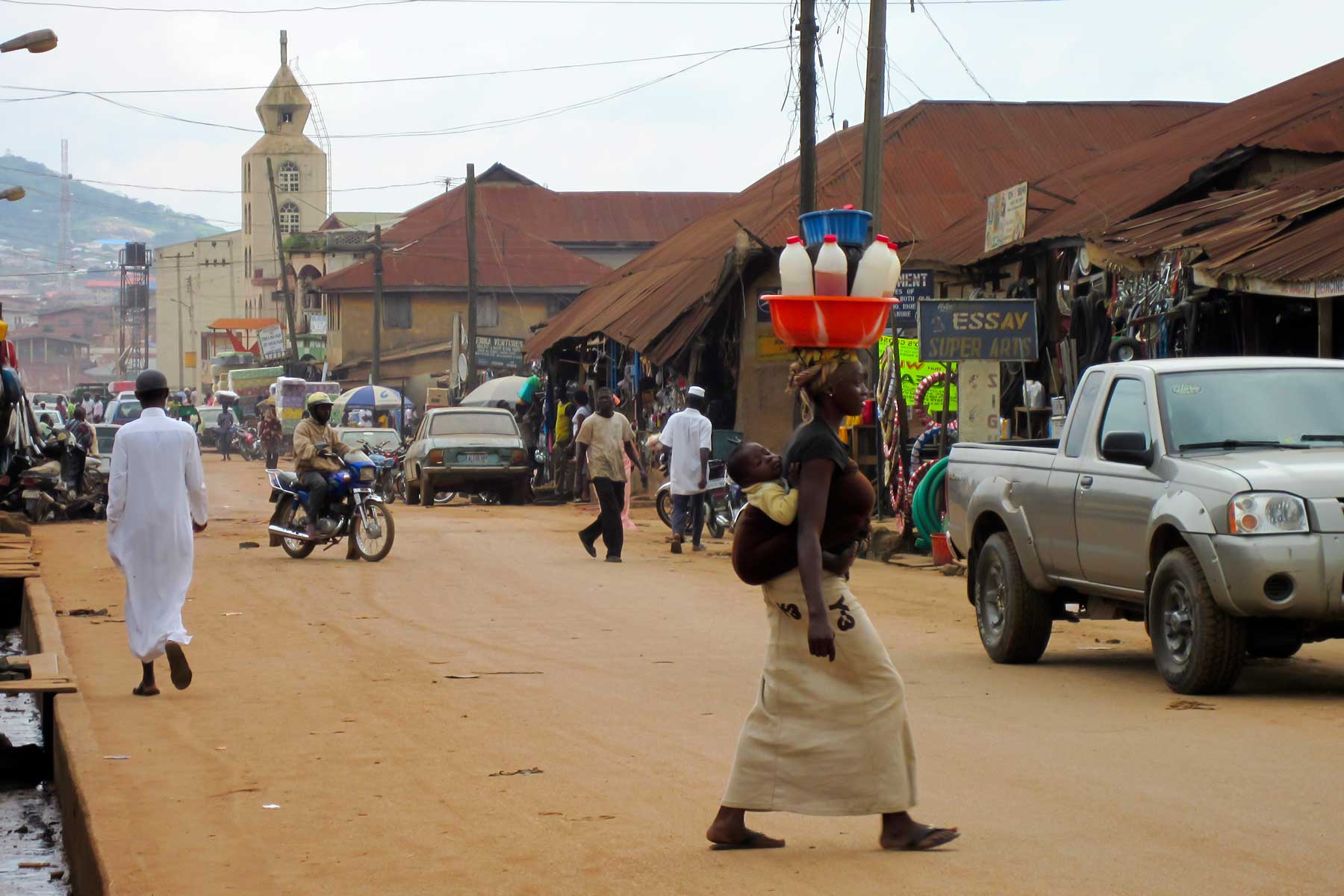
Sub-Saharan Africa Stimulus Strategy - A Springboard for Increased Local Resilience and Economic Growth

Read More

https://rmi.org/insight/africa-stimulus/
Default profile image

Created a Post in Circular Economy

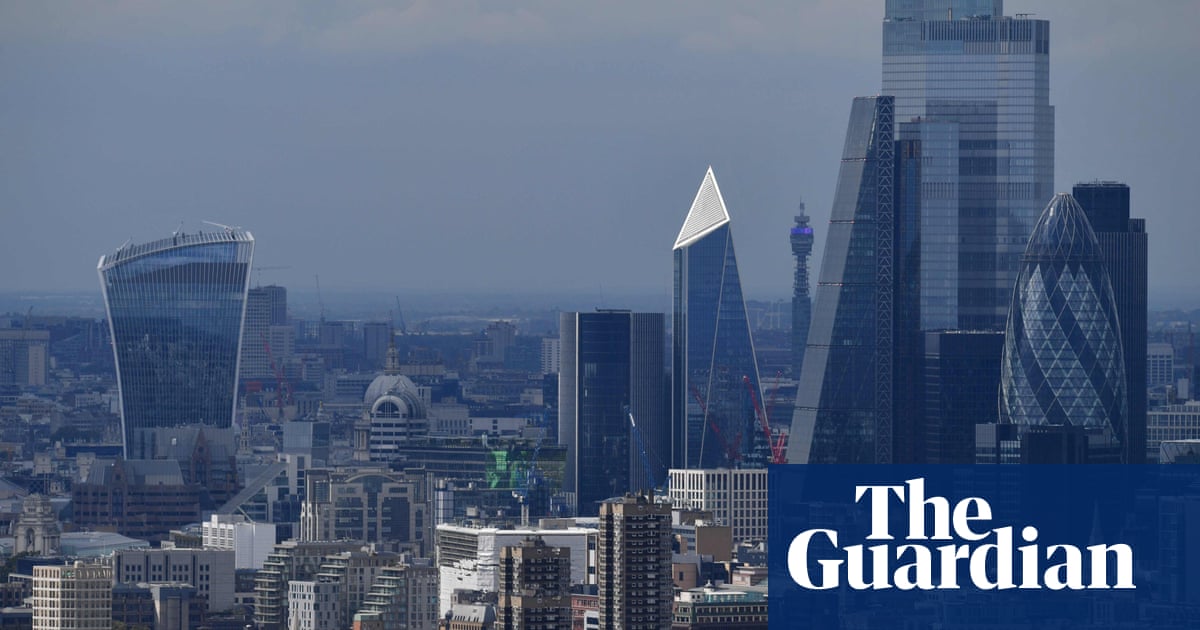
Human-made materials now outweigh Earth's entire biomass – study
Production of concrete, metal, plastic, bricks and asphalt greater than mass of living matter on planet, paper says. The amount of plastic alone is greater in mass than all land animals and marine creatures combined, the study estimates.

Read More

https://www.theguardian.com/environment/2020/dec/09/human-made-materials-now-outweigh-earths-entire-...

Created a Post in Circular Economy

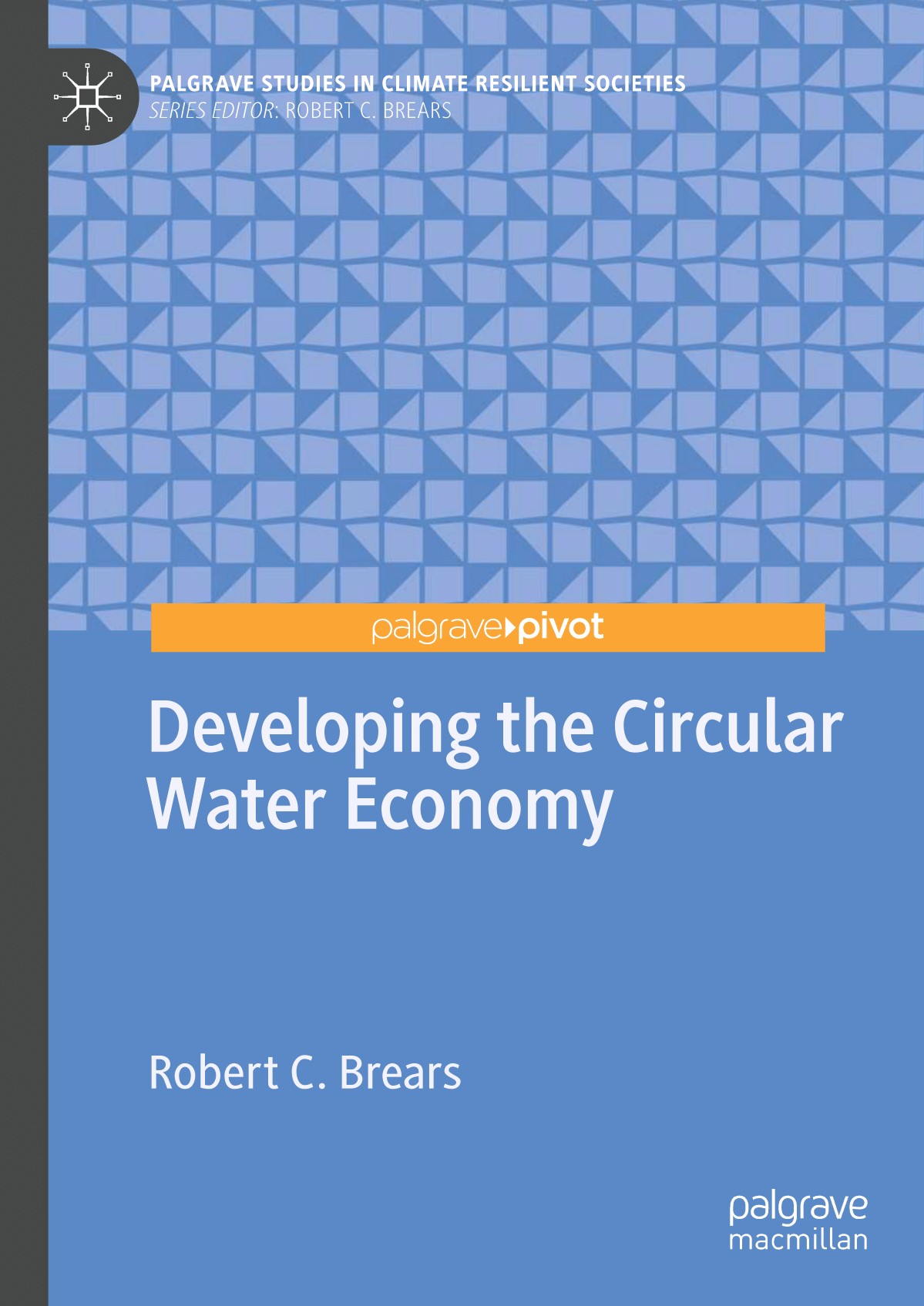
Developing the Circular Water Economy, published with Palgrave Macmillan, Springer Nature is out now

https://www.palgrave.com/gp/book/9783030325749

Read More

pdfProductFlyer_9783030325749-1.pdf291 KB

In a recently published report 'Waste to Energy in the Age of the Circular Economy', ADB outlines waste-to-energy project implementations: background, technology, financing, operations, and lessons learned. Check out this practical handbook with real project examples.

Read More

https://www.adb.org/sites/default/files/publication/659366/waste-energy-age-circular-economy-compend...

It is increasingly necessary for cities across the globe to prioritize sustainable urban development while building back better post-pandemic, and Asian cities can lead the way in this regard. Read these three lessons for Asia withdrawn from the world's megacities, which include examples in waste management, circular economy and urban transport system.

Read More

https://asia.nikkei.com/Opinion/Three-lessons-for-Asia-from-the-world-s-top-megacities
Default profile image

Created a Post in Circular Economy

Learning Xi Jinping's thoughts: green water and mountains equal to golden and silver mountains. a publication of PRCEE, GGKP partner

Read More

http://www.prcee.org/yjcg/zzwz_70/wenzhang/202011/t20201110_807202.html
Default profile image

Created a Post in Circular Economy

Introducing a journal: Environment and sustainable development, in Chinese, published by GGKP partner PRCEE

Read More

http://www.prcee.org/xskw/hjykcxfz_30088/202005/t20200507_778097.html

ICYMI - Here is a recording of a World Bank webinar on plastics in East Asia and the Pacific region last month. Learn how Cambodia is using drones to conduct trash monitoring of drainage canals to create a knowledge base for preparing plans and strategies to reduce plastic waste, how Palau is implementing behavior change campaigns, and more!

Read More

https://www.youtube.com/watch?v=CdTUeEZVzdY

Read these 8 actions that could cut CO2 by 60 % in the buildings sector compared to a baseline scenario – and the key to making it happen is circular economy.

Read More

https://ramboll.com/ingenuity/circular-economy-8-actions-to-cut-60-co2-in-the-buildings-sector