About this Discussion

In 2019, over 92 billion tonnes of materials were extracted and processed, contributing to about half of global CO2 emissions. This “take-make-dispose” approach and the resulting waste – including plastics, textiles, food, electronics and more – is taking its toll on the environment and human health.

A circular economy model replaces this end-of-life concept with restoration, shifts towards the use of renewable energy, eliminates the use of toxic chemicals, which impair reuse and return to the biosphere, and aims for the elimination of waste through the superior design of materials, products, systems and business models. The circular economy approach improves resource efficiency and reduces environmental impact on natural capital by designing products in a more recyclable way, adopting efficient technology and turning waste into a resource. The circular economy offers a trillion-dollar opportunity in terms of possible material savings, innovation and job creation, improved land productivity and soil health, and green growth. Achieving this, however, requires strong collaboration between leaders from business, government and civil society.

Upcoming Events

Circular Economy

A post is already pinned to this stream. Would you like to replace it?
Stephani Widorini commented on Stephani Widorini's Opportunity in Circular Economy

Created an Opportunity in Circular Economy

Call for Applications:

Designers for the Future Competition

Closing:
UNEP West Asia

The textile industry is one of global importance, providing high levels of employment, foreign exchange revenue and products essential to human welfare. The world is producing and consuming more textiles than ever before, and the current very low re-use and recycling rates mean that more textiles… Read More

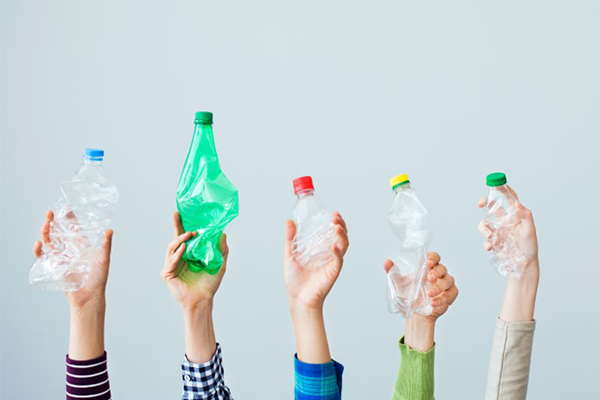
PET generates up to 75% less GHG than glass or aluminium beverage packaging. According to this article, PET beverage bottles are the world’s most collected and recycled plastic packaging and are circular and sustainable by design. The latest data for the European region estimates that, on average, two out of every three bottles are currently collected for recycling. Would it be sensible to increase the use of PET packaging?

Read More

https://www.euractiv.com/section/energy-environment/opinion/the-plastics-problem-theres-value-in-was...

What benefits can a circular economy transition in key urban systems bring to cities? Check out a set of factsheets presented by the Ellen MacArthur Foundation outlining circular economy opportunities to design-out urban waste and pollution, ensure products and materials maintain their value, and regenerate the natural systems in our cities.

Read More

https://www.ellenmacarthurfoundation.org/our-work/activities/circular-economy-in-cities/factsheets
Default profile image

Created a Post in Circular Economy

We simply cannot continue the take-make-waste model that has dominated the last 70 years as it is no longer fit for purpose. Since we have no Planet B, the “fast” consumption culture must come to an end.

Read More

http://sdg.iisd.org/commentary/guest-articles/embracing-circularity-is-not-an-option-but-an-urgent-i...
Default profile image

Created a Post in Circular Economy

Stock Price Informativeness and Output Growth: Some Evidence from Emerging Economies

Read More

http://dx.doi.org/10.2139/ssrn.2645691

UNEP launched a new video presenting 10 steps to clearly communicate and provide reliable information on product sustainability. Whether you're a consumer or company, this interesting video is definitely worth checking.

Read More

https://www.youtube.com/watch?v=wOOBn_RUKVE&t=4s

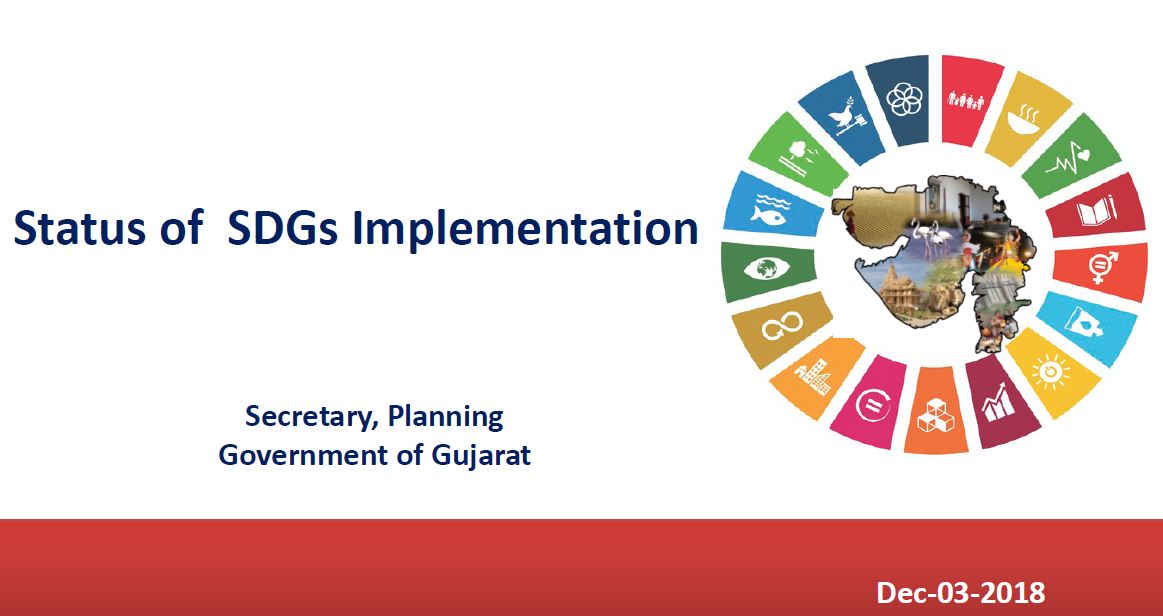
Government of Gujarat has provided strong leadership developing Institutional Structures for Implementation and Monitoring of Sustainable Development Goal's and prepared Gujarat Sustainable Vision 2030 document. The High Power Committee (HPC) formed under chairmanship of Hon'ble Chief Secretary to review the progress of SDGs and provides directives for future improvement. All the State Govt. schemes / Programmes (700 +) including Centrally Sponsored Schemes have been mapped with SDG's and linked budgetary provisions to the outcome based budget since 2017-18.

Read More

pdf1615808305253_0.pdf14.72 MB