About this Discussion

Urban centres provide opportunities for a range of social and cultural activities, as well as being critical for innovations in science, technology and education. They are also of critical importance for social and economic development. However, with approximately 40% of global energy use taking place within city buildings, this sector is also the single largest contributor to global greenhouse gas emissions.

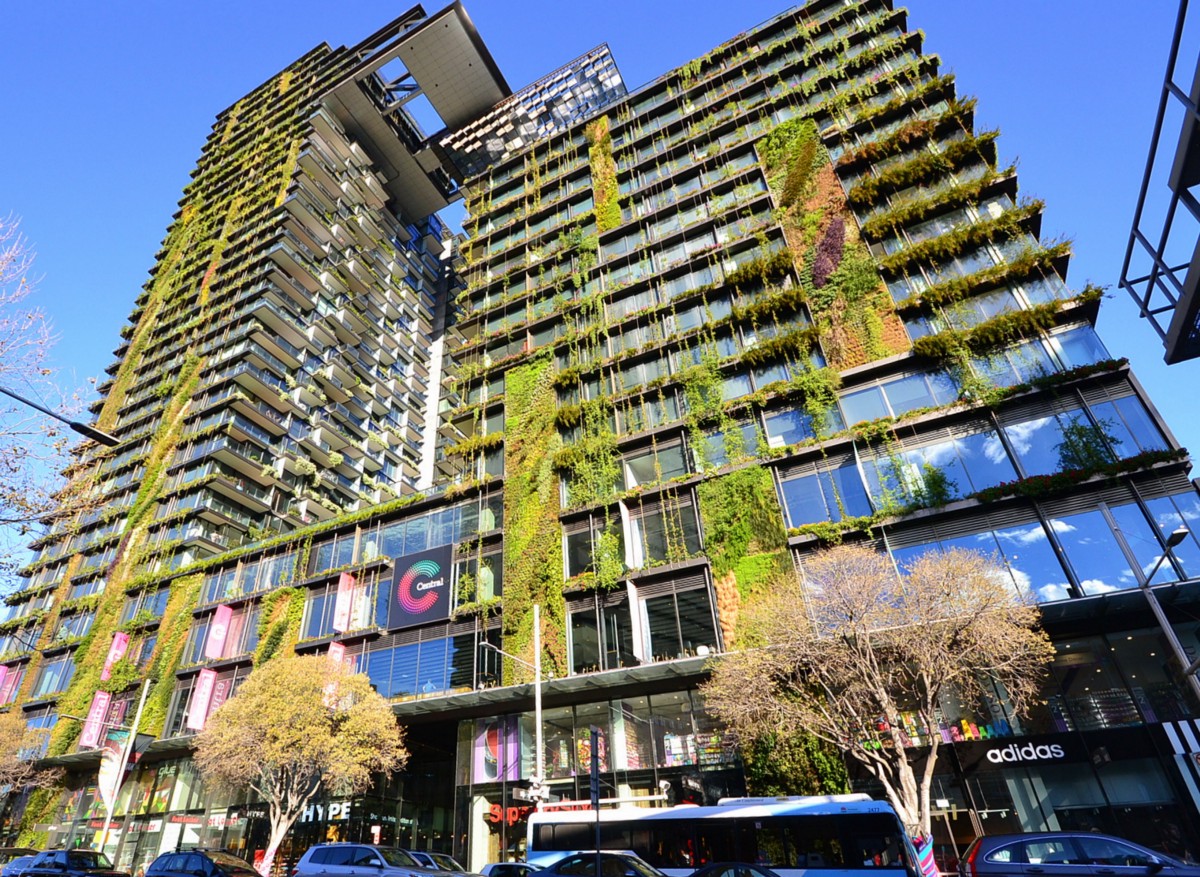
As a result, the design and use of energy and resource-efficient buildings has a key role in climate change mitigation to accelerate the global green economy transition. Although vast savings are possible by constructing new green buildings and retrofitting existing buildings, even greater gains can be achieved by adopting a long-term life-cycle approach involving stakeholders at different stages – from environmentally-minded investors and architects, to sustainable extraction, construction and usage, and the eventual demolition and the recycling or disposal of the building materials.

Cities are well-placed to play a major role in decoupling economic development from resource use and environmental impacts, while finding a better balance between social, environmental and economic objectives. Resource-efficient cities combine greater productivity and innovation with lower costs and reduced environmental impacts, offering at the same time financial savings and increased sustainability.

Upcoming Events

Cities and Urban Development

A post is already pinned to this stream. Would you like to replace it?

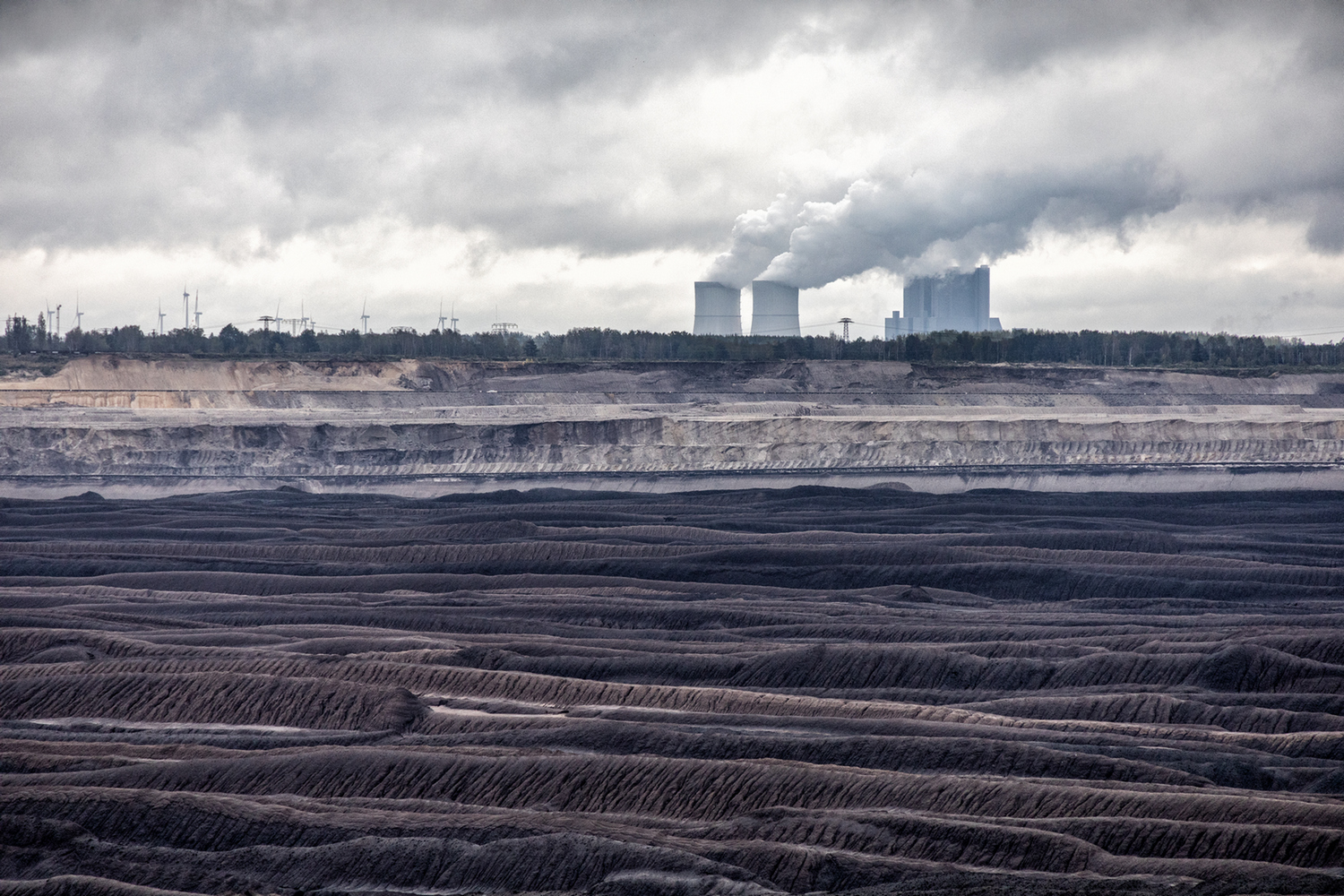
The new German government is aiming for an earlier coal phase-out, “ideally” by 2030. The associated job loss was perhaps the most important concern here. But the consequences of such a job loss for individual workers vary widely: a job loss may be followed by a long period of unemployment, a direct job change or early retirement.

This IZA article dissects a recent IZA paper ‘The Welfare Costs of Job Loss and Decarbonization: Evidence from Germany’s Coal Phase Out’ to answer questions at stake such as, who is most affected by job loss? What additional costs will workers face if we bring forward the coal phase-out from 2038 to 2030? What labor market policies can alleviate the welfare costs?

Read More

https://newsroom.iza.org/en/archive/research/coal-phase-out-in-2030-what-costs-will-employees-face/

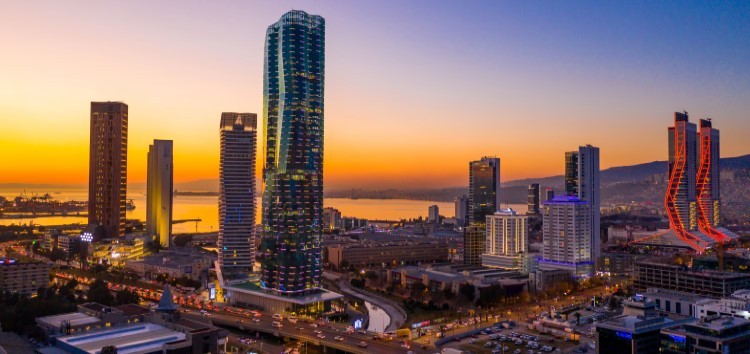
More than half of the world’s population lives in cities. With highly energy-intense buildings and transport networks that rely mainly on private cars, it is no surprise that cities consume around 78 per cent of the world’s energy and produce more than 60 per cent of its greenhouse gas (GHG) emissions, according to UN Habitat.

As the population of the city grows, there is more stress on and a greater threat to nature and our resources. One of the biggest challenges is to maintain economic growth while protecting the environment and nature. Cities like Izmir are now more vulnerable to the adverse effects of climate-change crises, such as drought, flood and extreme heat. Making Izmir a resilient city is challenging, therefore, but there is no other option.

Read More

https://www.ebrd.com/news/2022/a-more-sustainable-future-for-izmir-.html

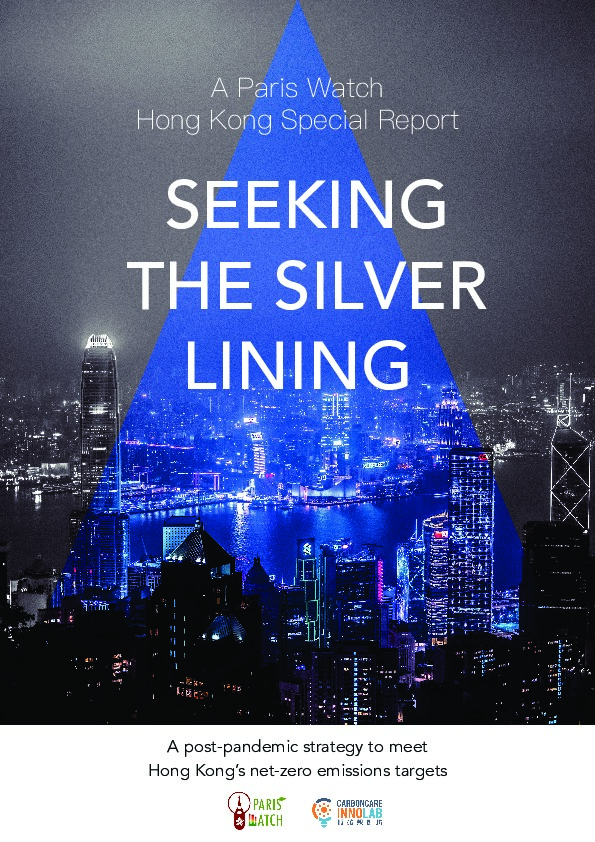
Building construction and operations account for nearly 40% of energy-related CO2 emissions globally, being among the largest contributors to climate change.

However, they also remain the most cost-effective climate mitigation solution available. Every $1 invested in efficiency saves $2 in new electricity generation and distribution costs.

Building decarbonization must be a crucial pillar of global efforts to reduce emissions – and we have no time to lose.

Read More

https://thecityfix.com/blog/six-cities-and-local-governments-accelerating-zero-carbon-buildings/

Action from local governments is needed to advance towards a sustainable future for all. What local actions would you take to scale up the change towards a healthy planet?

Share your thoughts in the Stockholm+50 subnational voices online community!

Read More

https://thegreenforum.org/group/249/stream
Green Growth Knowledge Partnership(GGKP)

  This session explores the theme of Leadership Dialogue 3: “Accelerating the implementation of the environmental dimension of Sustainable Development in the context of the Decade of Action.” We want to hear from you on how to turn environmental commitments into… Read More

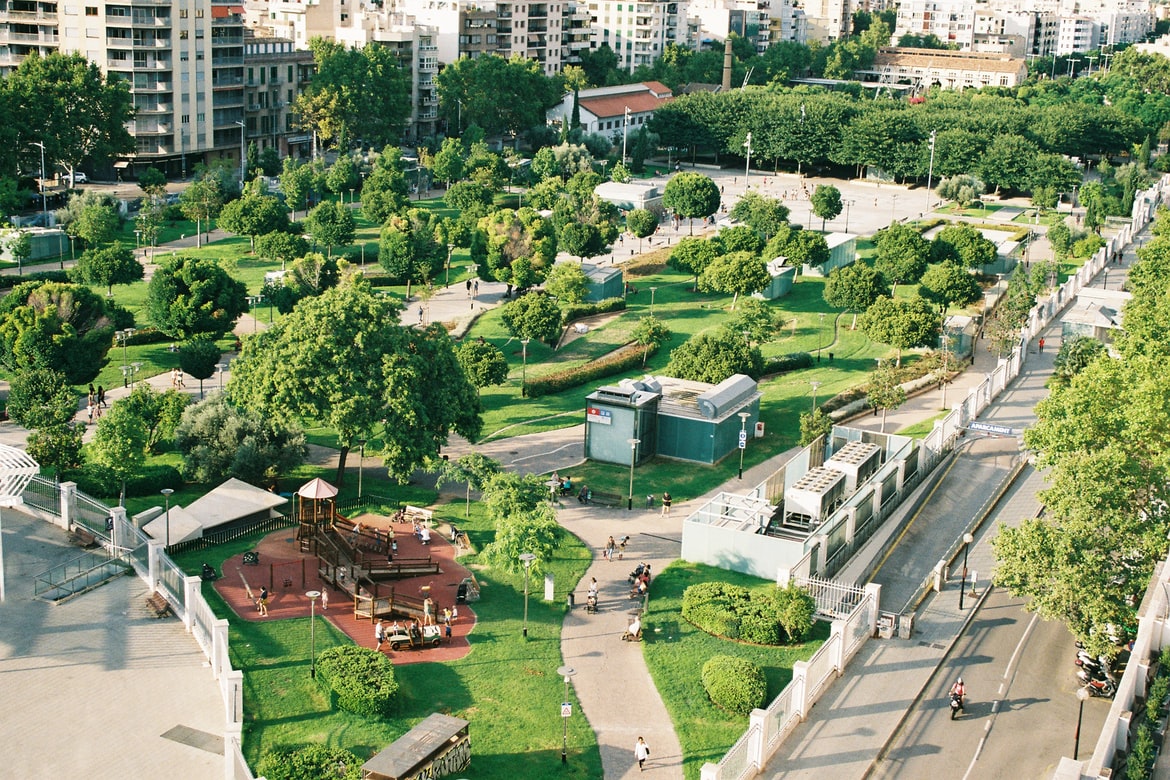
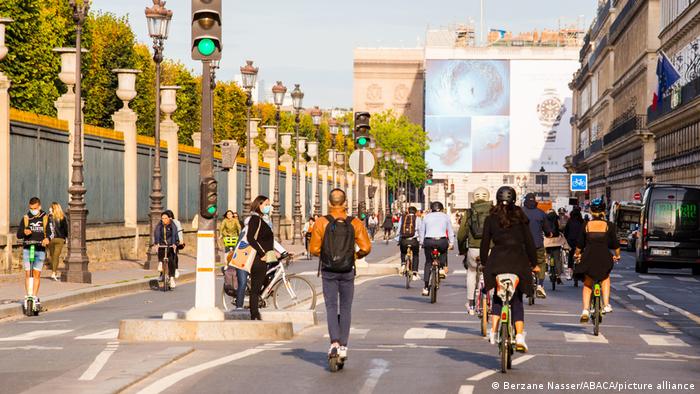
"We've already known for decades that cities function better, are cleaner, more sustainable, more equitable, if you create services in the proximity of where people live," said Rogier Vandenberg, acting global director of the Ross Center for Sustainable Cities at the World Resources Institute.

Experiments have already taken place in the wake of the pandemic to reduce travel time and enable people to live and work locally, including Melbourne's 20-minute neighbourhoods and the Paris 15-minute city.

Read More

https://www.dw.com/en/cities-are-major-polluters-can-we-make-them-climate-neutral/a-61438020