About this Discussion

With alarming speed, COVID-19 has infected tens of millions of people worldwide and killed more than one million. It has impacted economies and changed people's lives, particularly the poor and vulnerable who are already disproportionately impacted by climate change and other environmental, social, and economic risks.

The virus has also become central to national policy and has halted business operations in ways that were unimaginable. The economic impacts of these efforts are likely to be felt for years to come.

In addition to responses from government leaders, who are calling for support to cope with the twin crises of public health and rebuilding economies in sustainable and resource-efficient ways, industry and finance stakeholders also have important roles. This includes generating innovative solutions for diversifying production portfolios, building business capacities for sustaining growth, and aligning institutional investors’ fiduciary duties and stewardship practices with long-term decision-making and sustainable value creation.

Upcoming Events

Green Recovery from COVID-19

A post is already pinned to this stream. Would you like to replace it?

Instead of achieving a green recovery, trillions of dollars in pandemic stimulus packages are actually harming nature and climate, with over a quarter of the funds going to carbon-intensive sectors including fossil fuels and heavy industry, new research by Vivid Economics and Finance for Biodiversity Initiative finds.

Read More

https://www.f4b-initiative.net/post/majority-of-17-2-trillion-covid-stimulus-packages-doing-more-har...

Few countries in the ASEAN region have tied green components to their stimulus packages, which contain some environmentally harmful measures. Green recovery policies and strategies can help put a country on the path to economic recovery while bringing environmental and sustainability benefits.

Read More

https://greenfiscalpolicy.org/how-aseans-covid-19-recovery-measures-are-missing-opportunities-for-a-...

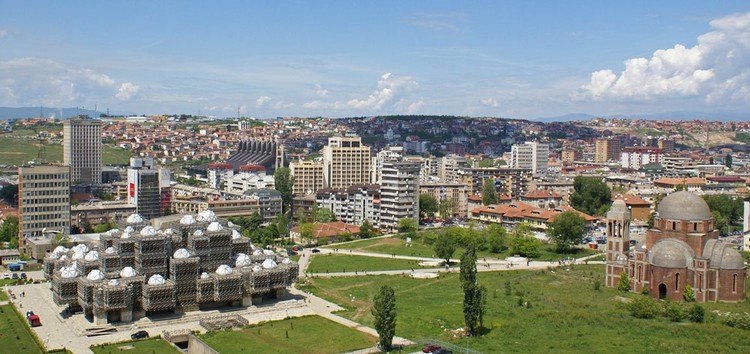
More homeowners in Kosovo will be able to invest in domestic energy efficiency improvements as a consequence of a new €5 million credit line the European Bank for Reconstruction and Development (EBRD) is extending to Raiffeisen Bank Kosovo. The financing is part of a larger €135 million Green Economy Financing Facility (GEFF) programme for the Western Balkans, which supports energy-efficient solutions to build a greener and sustainable economy. To date, more than 8,000 households in the Western Balkans have improved their energy efficiency through the GEFF programme, with investments in projects that contributed to a reduction of nearly than 12,000 tonnes of CO2 emissions per year, equivalent to removing 7,270 cars from the street.

Read More

https://www.ebrd.com/news/2021/ebrd-eu-and-austria-support-residential-energy-efficiency-in-kosovo.h...

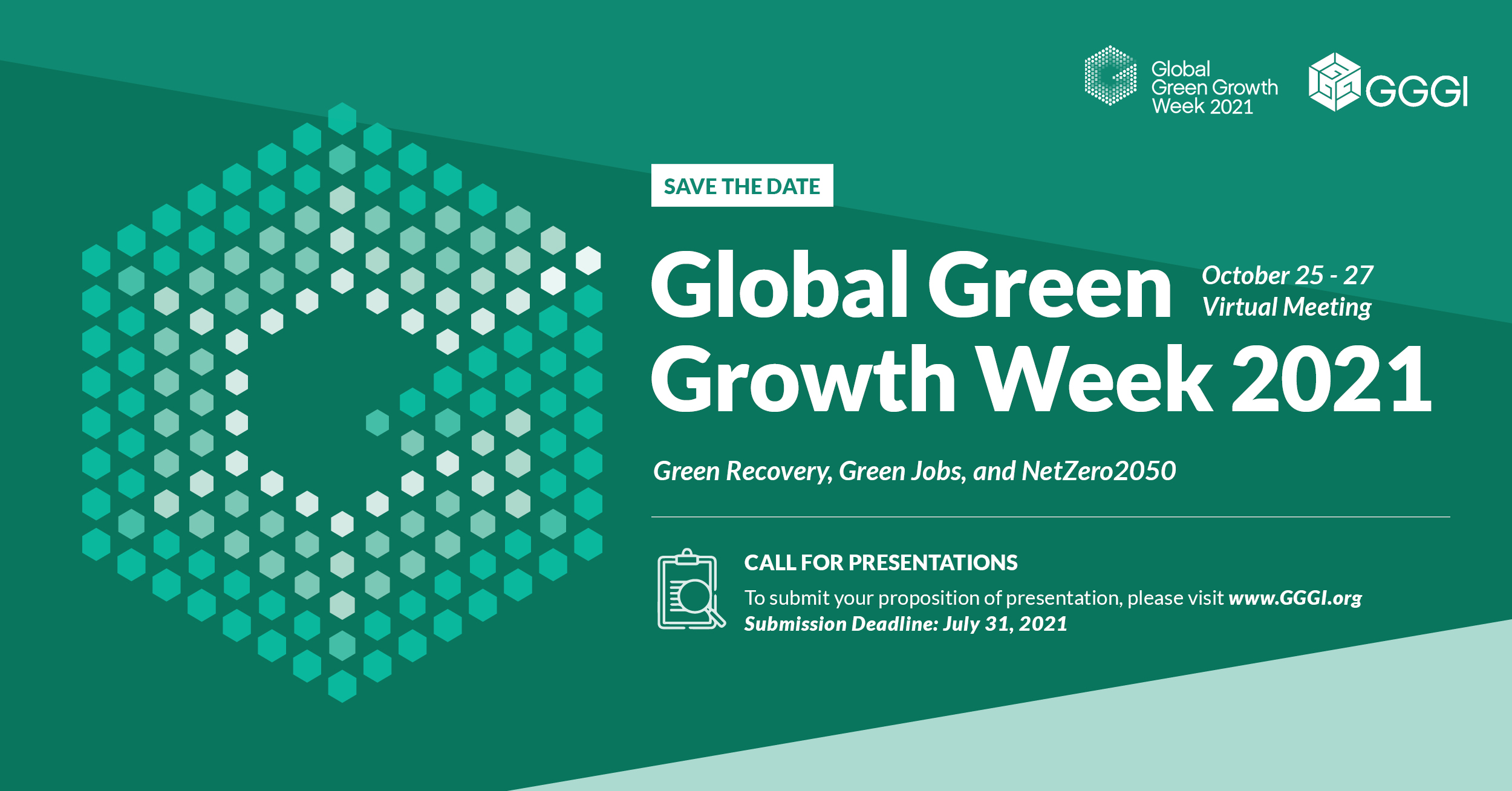
The Global Green Growth Institute(GGGI) will be hosting a GGGWeek 2021 on 25-27 October. GGGWeek2021 will feature the special theme of “Green Recovery, Green Jobs, and NetZero2050”.

Any interested parties, who would like to present their ideas, showcase progress, and share commitment on the above topics, can submit your propositions by July 31st, 2021.

Read More

https://forms.office.com/pages/responsepage.aspx?id=STVf7oDk90yVr1EFUo_HhjdFqO4UgF9Bt9mygr0qNbdURU8w...

COVID-19 has created a critical juncture in the evolution of cities, but there has been limited focus on its urban dimensions in the global South.Therefore, IIED has created a framework that provides a unifying urban vision to inform and resource a transformative urban recovery process.

Read More

https://www.iied.org/framework-for-transformative-urban-recovery

In spite of the global rollout of vaccines, many countries still have a long path to travel for economic recovery. At the same time, the economic toll is occurring at a time when biodiversity is globally imperiled. Can countries afford to bring even larger areas under protection and focus on biodiversity conservation when the need for economic recovery is so pressing, fiscal spaces tight, and many development challenges persist?

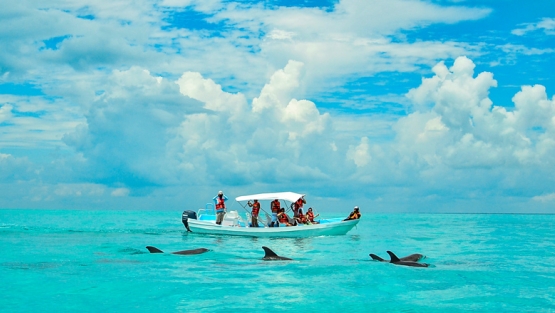
Assessing the economic impact of protected area tourism in five protected areas in Brazil, Fiji, Nepal, and Zambia, the World Bank recently launched a report that outlines how inclusive protected-area tourism can contribute a country’s recovery from the economic fallout of the pandemic, address longstanding development challenges, and conserve biodiversity.

Read More

https://blogs.worldbank.org/voices/banking-protected-areas-promote-green-recovery
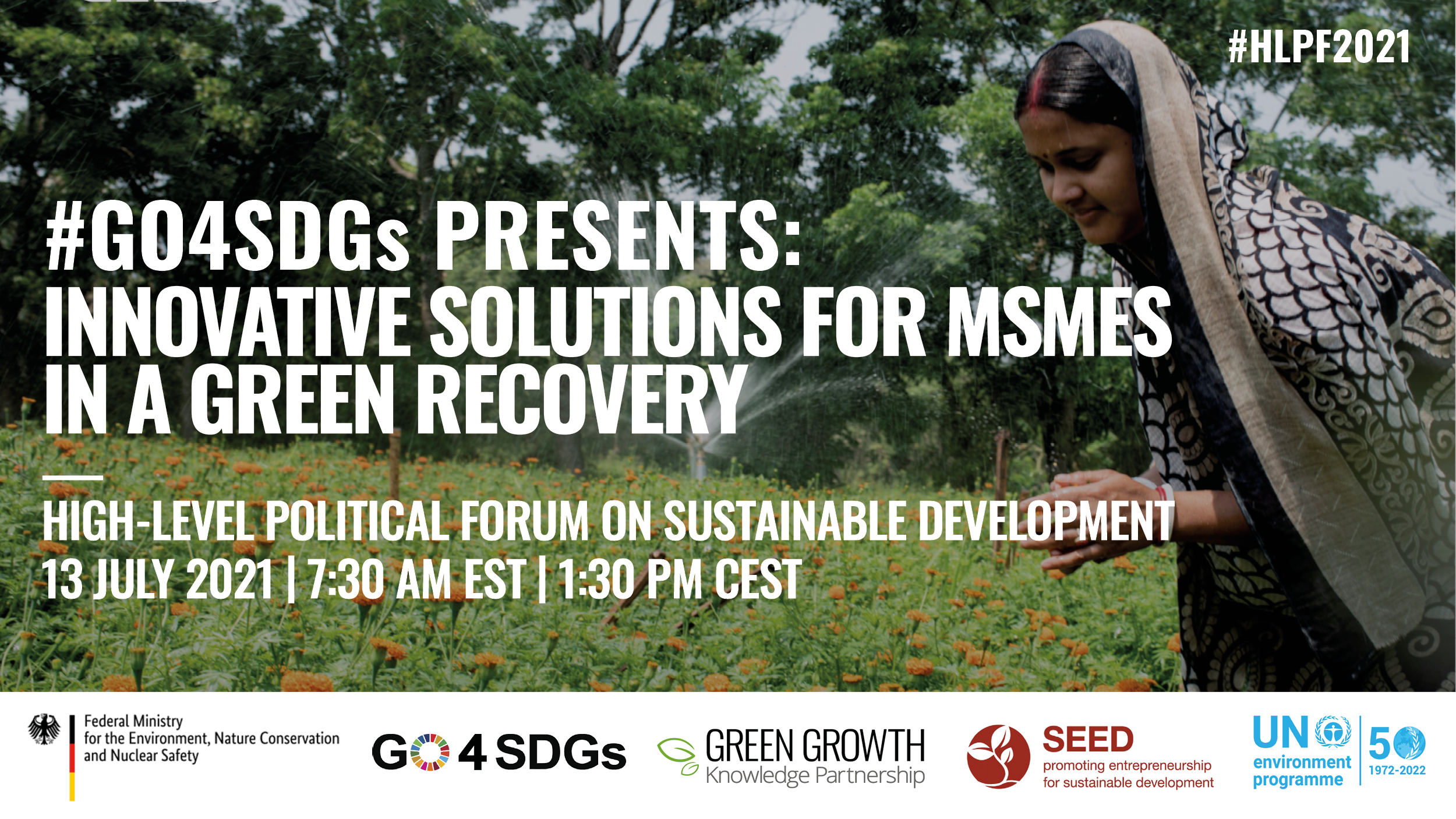
GO4SDGs, SEED, Green Growth Knowledge Partnership(GGKP)

This event will look at the contributions of Micro and Small and Medium Enterprises (MSMEs) to the SDGs. It will present research, tools and experiences that can contribute to “building forward better”, highlighting the experiences gained within the GO4SDGs initiative. Read More

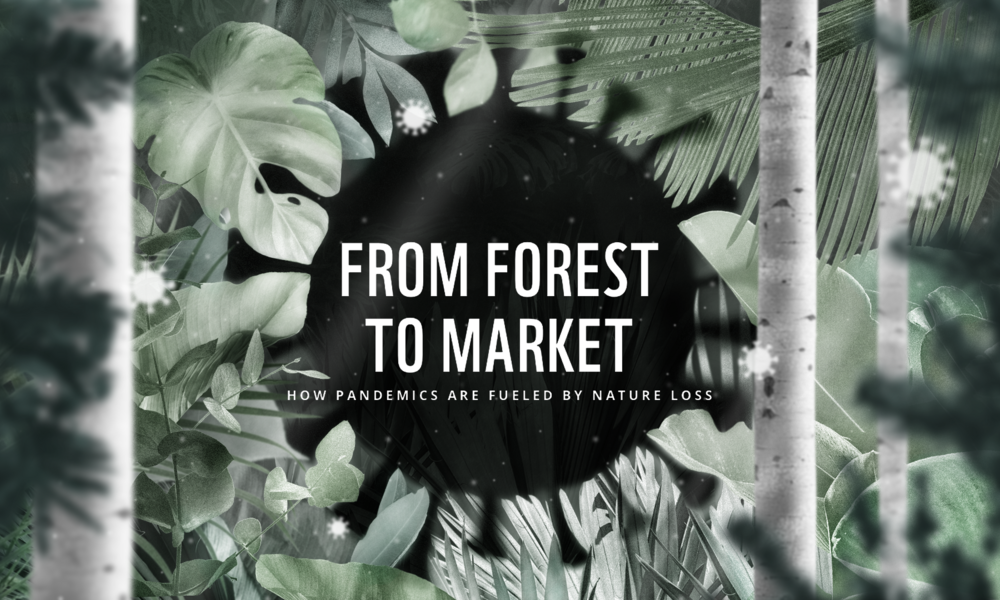
While the exact source of COVID-19 remains unclear, zoonotic diseases like COVID-19 — diseases that originated in animals — are a stark reminder of how people and nature are interconnected. Other serious outbreaks, such as SARS, avian flu, and MERS, were all zoonotic in origin. Animals aren’t to blame for these outbreaks. It’s human activities that encroach unsustainably into wild places and risky interactions with wildlife that create increased risk.

Read More

https://www.worldwildlife.org/stories/from-forest-to-market

The United Nations High-Level Political Forum on Sustainable Development (HLPF) kicks off today. It is the core UN platform for follow-up and review of the 2030 Agenda for Sustainable Development and its 17 Sustainable Development Goals. This year's Forum is focusing on a sustainable and resilient recovery from the pandemic. Explore how UNEP will be involved in the HLPF.

Read More

https://www.unep.org/events/conference/unep-high-level-political-forum-sustainable-development-2021