About this Discussion

In 2019, over 92 billion tonnes of materials were extracted and processed, contributing to about half of global CO2 emissions. This “take-make-dispose” approach and the resulting waste – including plastics, textiles, food, electronics and more – is taking its toll on the environment and human health.

A circular economy model replaces this end-of-life concept with restoration, shifts towards the use of renewable energy, eliminates the use of toxic chemicals, which impair reuse and return to the biosphere, and aims for the elimination of waste through the superior design of materials, products, systems and business models. The circular economy approach improves resource efficiency and reduces environmental impact on natural capital by designing products in a more recyclable way, adopting efficient technology and turning waste into a resource. The circular economy offers a trillion-dollar opportunity in terms of possible material savings, innovation and job creation, improved land productivity and soil health, and green growth. Achieving this, however, requires strong collaboration between leaders from business, government and civil society.

Upcoming Events

Circular Economy

A post is already pinned to this stream. Would you like to replace it?
Clara Mottura commented on Clara Mottura's Post in Blue Economy, Circular Economy, Waste Management

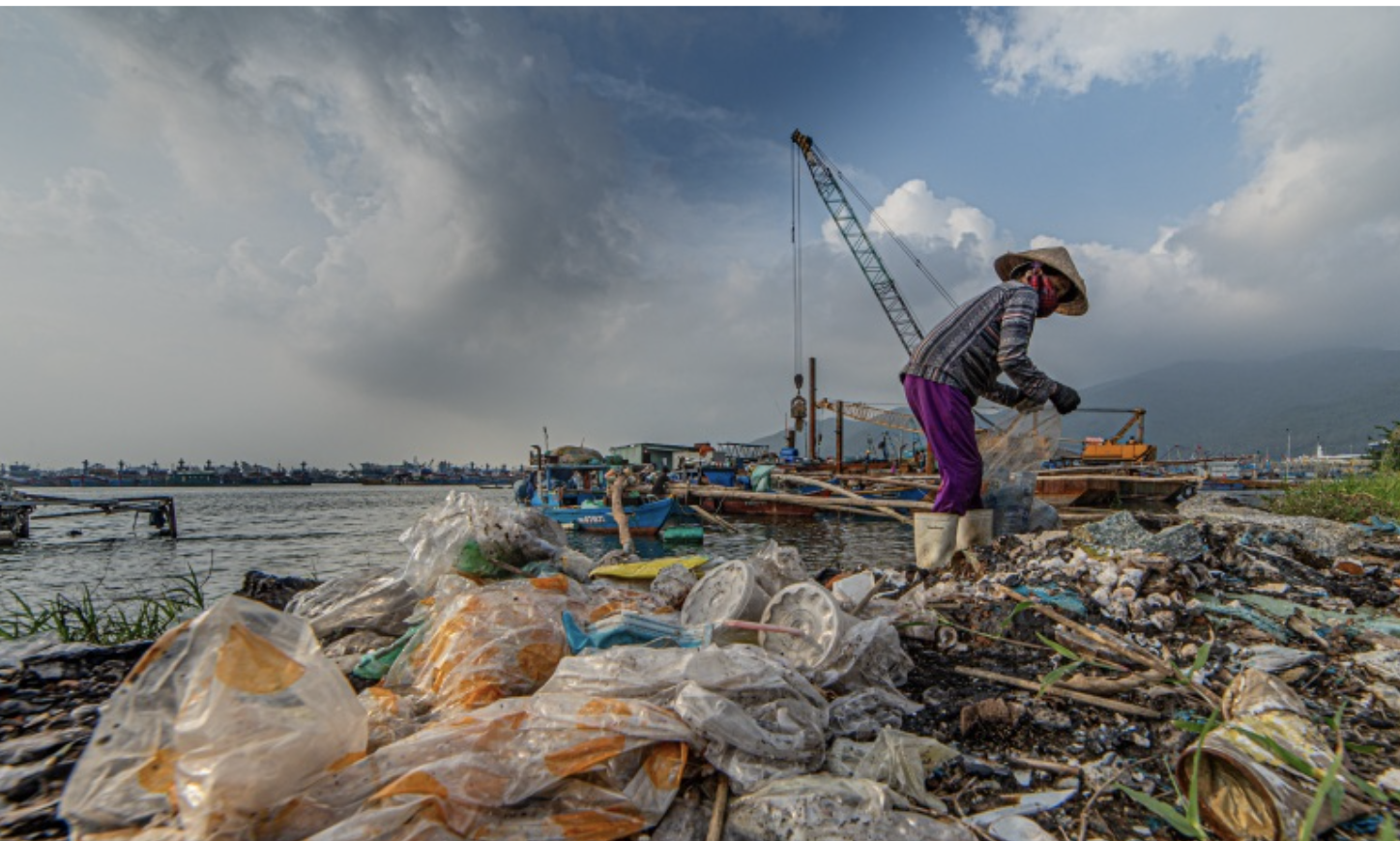
The price of plastic waste: what solutions to turn the tide?

Annually, we produce around 359 million tonnes of plastic, recycling just 9% of it. The rest is incinerated, accumulated in landfills or dumped clogging our drains, endangering marine life and causing health concerns to local people.

Many actions have been undertaken in recent years, but none has proved effective enough. As time goes by, we need to drastically change our short-term focused relationship with plastic, reducing its production and consumption.

One of the possible actions would be a global ban on plastic, would you be in favour?

Read More

https://oecd-environment-focus.blog/2021/01/07/the-price-of-plastic-waste-and-solutions-to-turn-the-...

Read my new article about 5 ways AI is used in the fashion industry to make it more sustainable, including virtual models, AI pricing, rental fashion and more.

Read More

https://towardsdatascience.com/5-ways-ai-is-transforming-the-fashion-industry-for-sustainability-bfd...

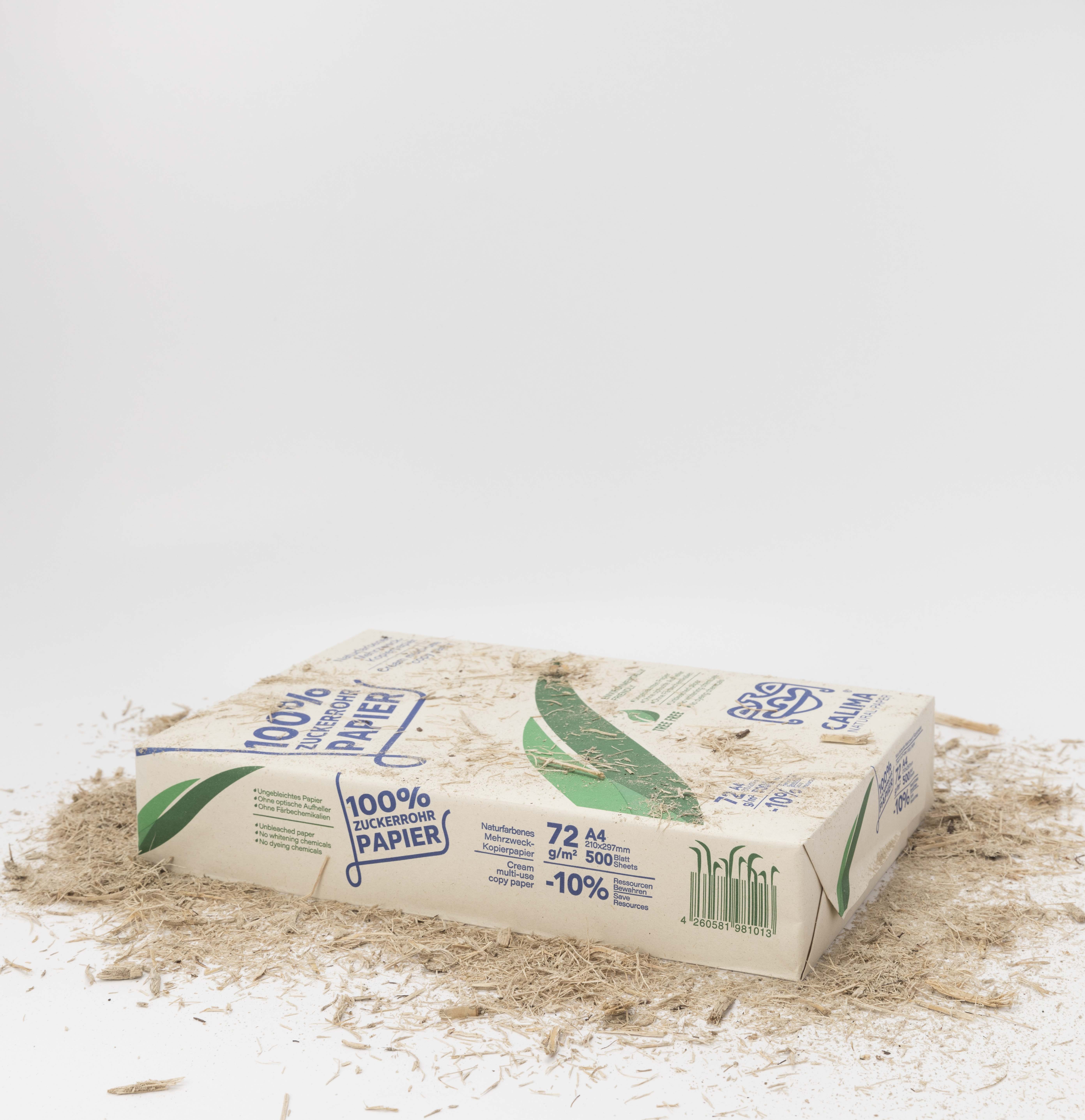
The copy paper A4 CALIMA NATURAL PAPER is manufactured from sugarcane waste and is unbleached. It is TREE-FREE, and it is without bleaching, optical brighteners, dyeing, and color chemicals. It prints in your office and home printer in a sustainable way!

Read More

https://calima-eco.com/
https://www.youtube.com/watch?v=qUeOpX0F9u0
Clara Mottura commented on Stephani Widorini's Event in Circular Economy

Created an Event in Circular Economy
Oxford Martin School

Getting to the sustainable economy would be politically very difficult, but not doing risks lots for climate change and further considerable destruction of biodiversity. What would have to happen for this generation to live within its environmental means and to bequeath to the next generation a set… Read More

Laxmi Haigh commented on Clara Mottura's Post in Circular Economy, Climate Change, Industry and Entrepreneurship
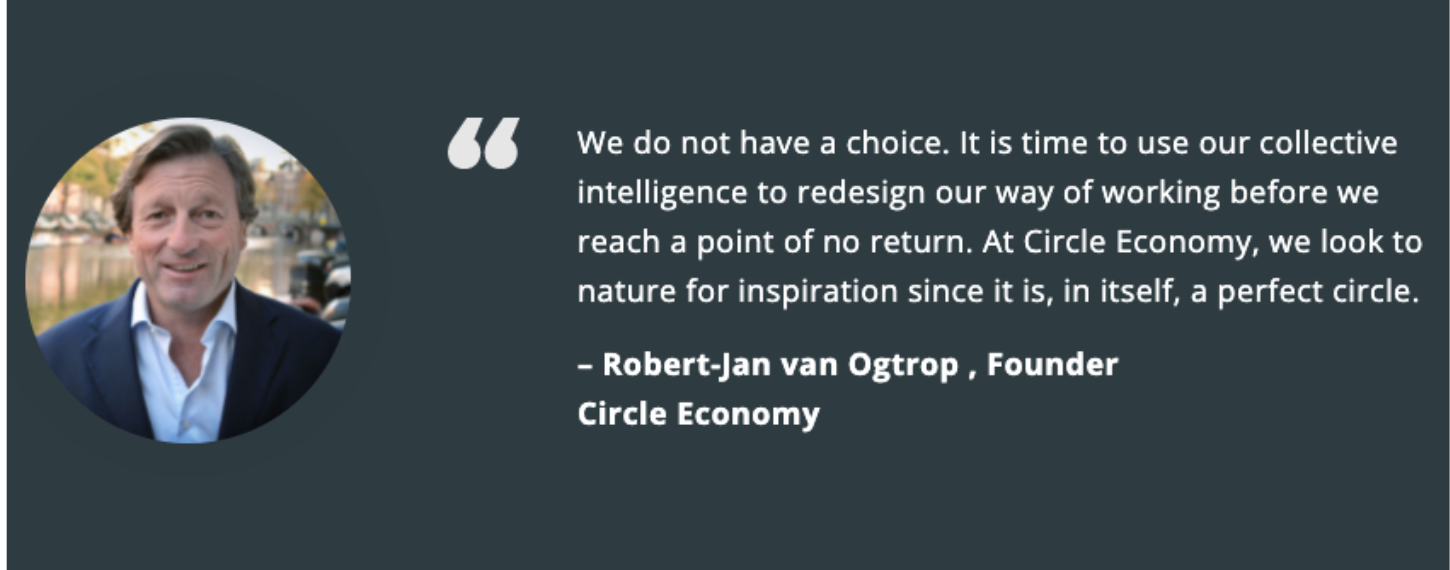
‘It was a crazy idea to put a linear economy on a circular planet. Initially, we may not have had many problems when it was small-scale. But now that we are overshooting all planetary boundaries, there is no space for a linear economy.’ said Robert-Jan van Ogtrop, founder of Circle Economy.

Check the blog to read the full interview written by Laxmi Haigh, Lead of Editorial at Circle Economy.

Read More

https://www.thegreenforum.org/blog/if-were-business-saving-planet-we-must-get-serious-about-working-...
Stephani Widorini commented on Laxmi Haigh's Post in Circular Economy, Climate Change, Waste Management
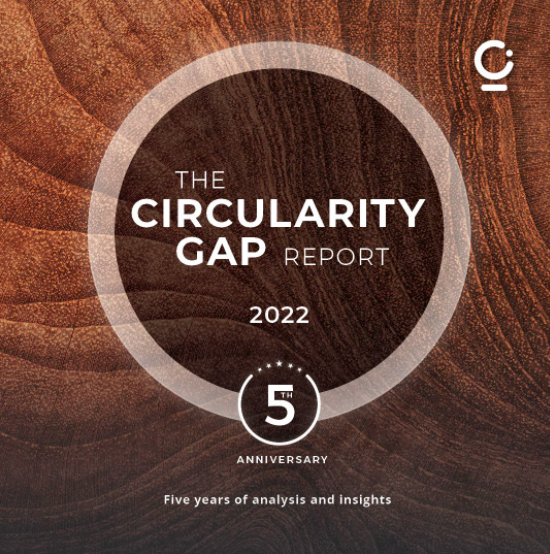
'The circular economy holds massive climate mitigation potential.'

This year's anniversary edition of the Circularity Gap Report—Circle Economy's annual assessment of how circular the world is and where we are headed—looks back at five years of analysis and learnings to highlight key messages worth repeating:
70% of greenhouse gas emissions are related to the way we produce and use products.

If applied globally and combined with current national climate pledges, circular solutions could deliver significant emissions reductions.

In the last few years since the Paris Agreement, we consumed more than half a trillion tonnes of virgin materials and the Circularity Gap got worse, not better.

On our way to net zero and to a more circular world, we must not forget about people.

Our response to the climate emergency must reduce global and local inequalities and protect against overshooting the means of the planet.

Explore the full report: https://lnkd.in/dBw7Q9Wx

Read More

https://lnkd.in/dBw7Q9Wx
Mette Lund commented on Mette Lund's Post in Energy, Circular Economy, Climate Change

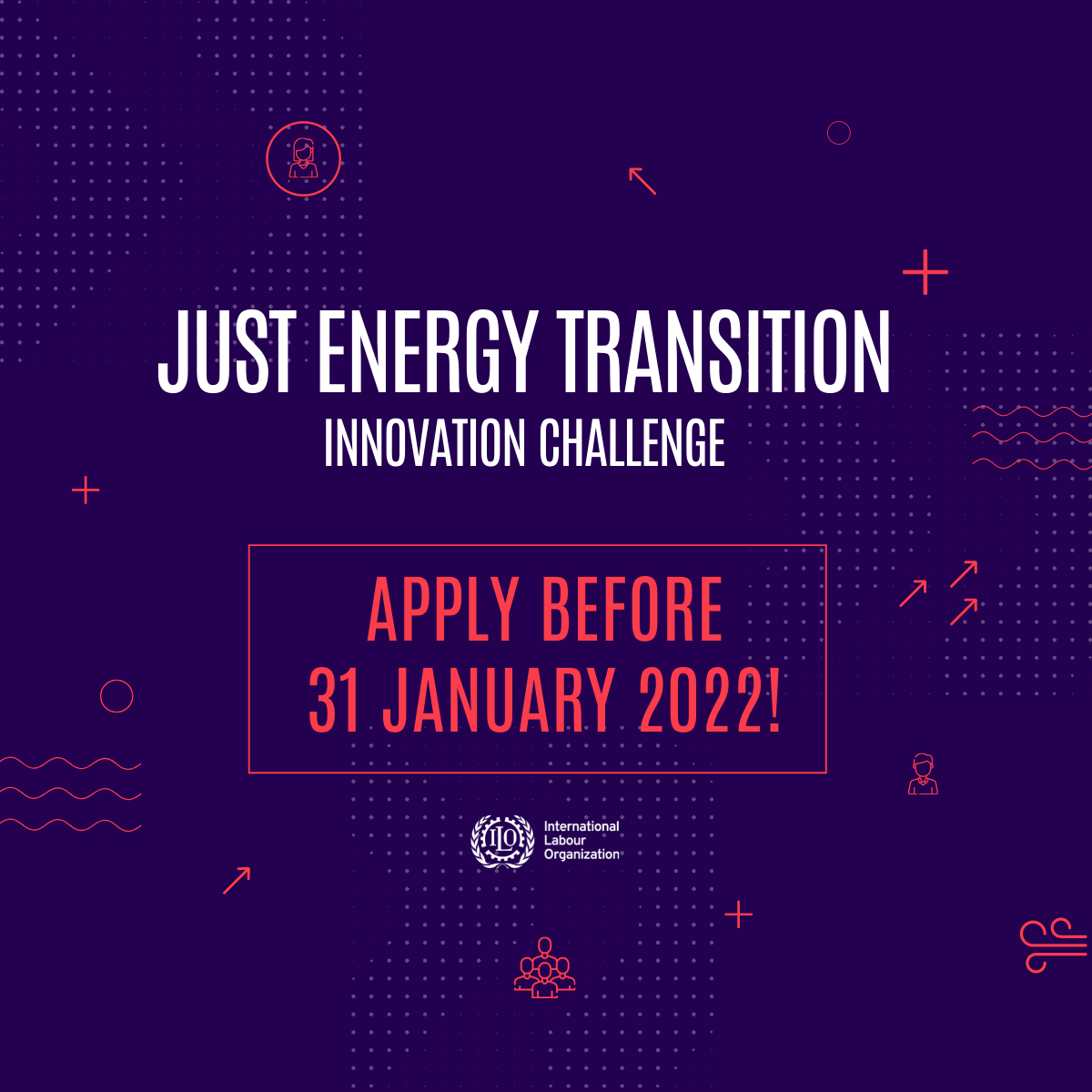
Just Energy Transition Innovation Challenge
Deadline approaching soon!

The energy sector powers economies and sustains jobs. It also generates approximately two-thirds of global greenhouse gas emissions. If the Paris Agreement goals are to be met, the energy transition needs to accelerate and reach a tremendous scale. There will be substantive employment and social impacts that need to be anticipated and planned for. Overall, it is estimated that the energy transition will deliver net job gains.

The shift to sustainable energy requires innovative solutions and breaking with business as usual while ensuring that the transition is just and leaving no one behind. While innovation is needed, scalable solutions are hard to identify and do not always reach the people who may benefit most. The ILO is dedicated to finding and accelerating such innovations. Therefore, the ILO is now launching the Just Energy Transition Innovation Challenge. The challenge will identify, enhance, test, and disseminate high-potential policy ideas and solutions that promote a just transition for all, breaking from business-as-usual.

The ILO will select 3 winners amongst the proposals and solutions submitted. All 3 winners will benefit from technical assistance equivalent to the value up to 50.000 USD. They will be linked up with experts through ILO’s Just Transition Innovation Network and gain global visibility allowing them to present their innovative ideas to potential partners and the public.

For more information, deadlines, and eligibility criteria’s go to: climateaction4jobs.org/innovation-challenge

Read More

https://www.climateaction4jobs.org/innovation-challenge/
https://www.youtube.com/watch?v=eLbUBkTk9Ps