About this Discussion

Natural capital encompasses the world's living and non-living natural assets. It forms the basis for environmental and economic life through natural resource production and the provision of ecosystem services. Natural resources are the foundation of social and economic development. Given the critical role they play in maintaining biodiversity and enabling green economic growth, safeguarding such assets could not be more pressing.

To incorporate natural capital into national green growth planning, it is critical for decision-makers to have access to information that reflects the quality, quantity and spatial configuration of natural capital assets. The utility of natural capital analysis for policymaking is ultimately dependent on the availability of information, which can be provided through data platforms and tools.

The GGKP’s Natural Capital Expert Group is currently exploring state-of-the-art methods, models, data and tools for mainstreaming natural capital in national green growth policies and practices. The group is leveraging global momentum for green growth in order to better value, protect and enhance natural capital in national economic decision-making.

Upcoming Events

Natural Capital

A post is already pinned to this stream. Would you like to replace it?
Default profile image

Created a Post in Natural Capital

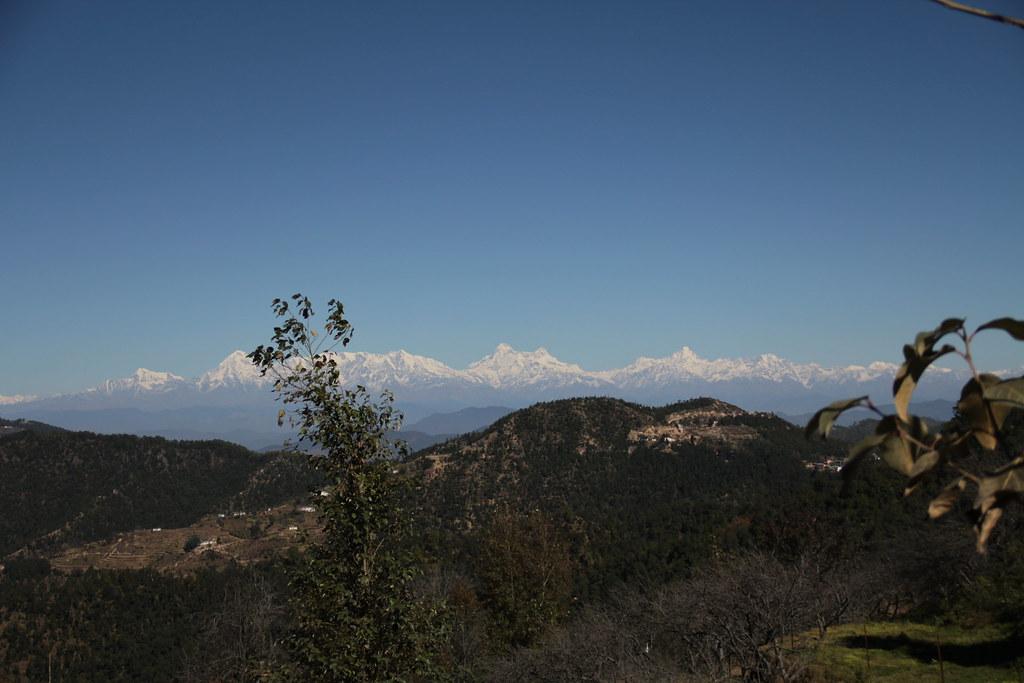
The Uttarakhand government recently announced it will initiate valuation of its natural resources in the form of ‘Gross Environment Product’ (GEP).

Read More

https://www.downtoearth.org.in/blog/environment/introducing-gross-environment-product-in-uttarakhand...

To support states’ technical needs in building and implementing climate action plans — including by developing robust GHG inventories — the U.S. Climate Alliance has convened an “Impact Partnership” of nonprofit organizations with relevant expertise. Through that partnership, a guide for states has been published to develop and improve their GHG inventories with an eye toward one particular sector that has often been shortchanged: natural and working lands (NWL). But to understand why a state-level guide specific to land-based GHG inventories is needed, it’s important to first know what a GHG inventory is, why inventories are produced and how they are created.

Read More

https://www.wri.org/insights/greenhouse-gas-emissions-natural-working-lands
African Development Bank(AfDB), Green Growth Knowledge Partnership(GGKP)

    The African Development Bank (AfDB) Group and Green Growth Knowledge Partnership (GGKP) have launched a joint programme to support the mainstreaming of natural capital approaches in African development finance. Read More

Explore transformational potential and best practices of nature based-solutions (NbS) from cities around the world in this new UNEP G20 report. Share your municipal initiatives for NbS here!

Read More

https://www.unep.org/resources/report/smart-sustainable-and-resilient-cities-power-nature-based-solu...

Carbon “sinks”, such as forests or the ocean, play a crucial role in absorbing atmospheric CO2 and thereby reducing the damages caused by climate change and the emissions that drive it.

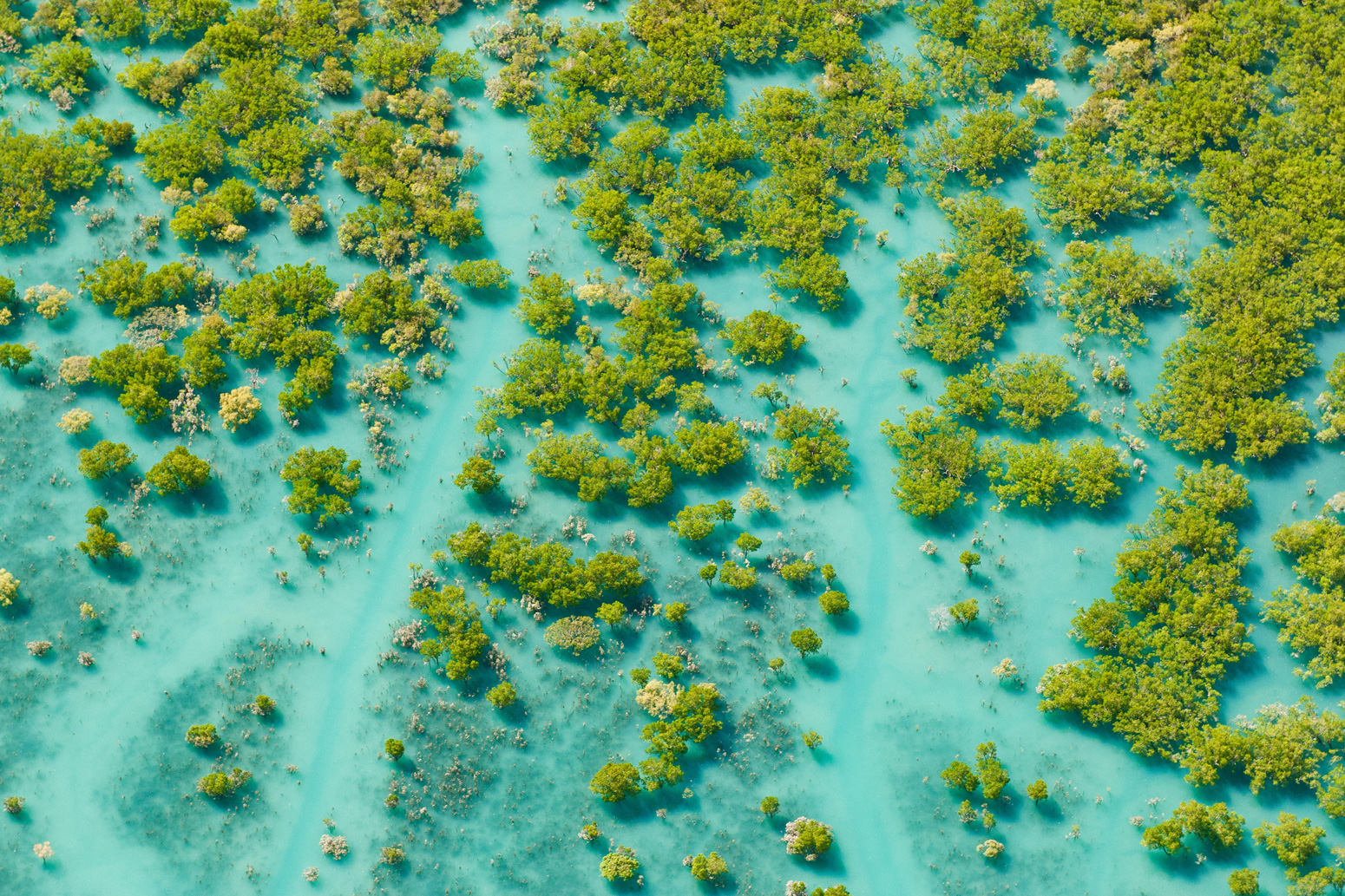
Dr. Wilfried Rickels and Prof. Martin Quaas's findings show that Australia, Indonesia and Cuba contribute the largest blue-carbon net “wealth” to the rest of the world. However, only a handful of countries have enough blue carbon potential to offset their entire carbon footprint.

Read More

https://www.carbonbrief.org/guest-post-mapping-blue-carbon-wealth-around-the-world

Created a Post in Natural Capital, Forestry
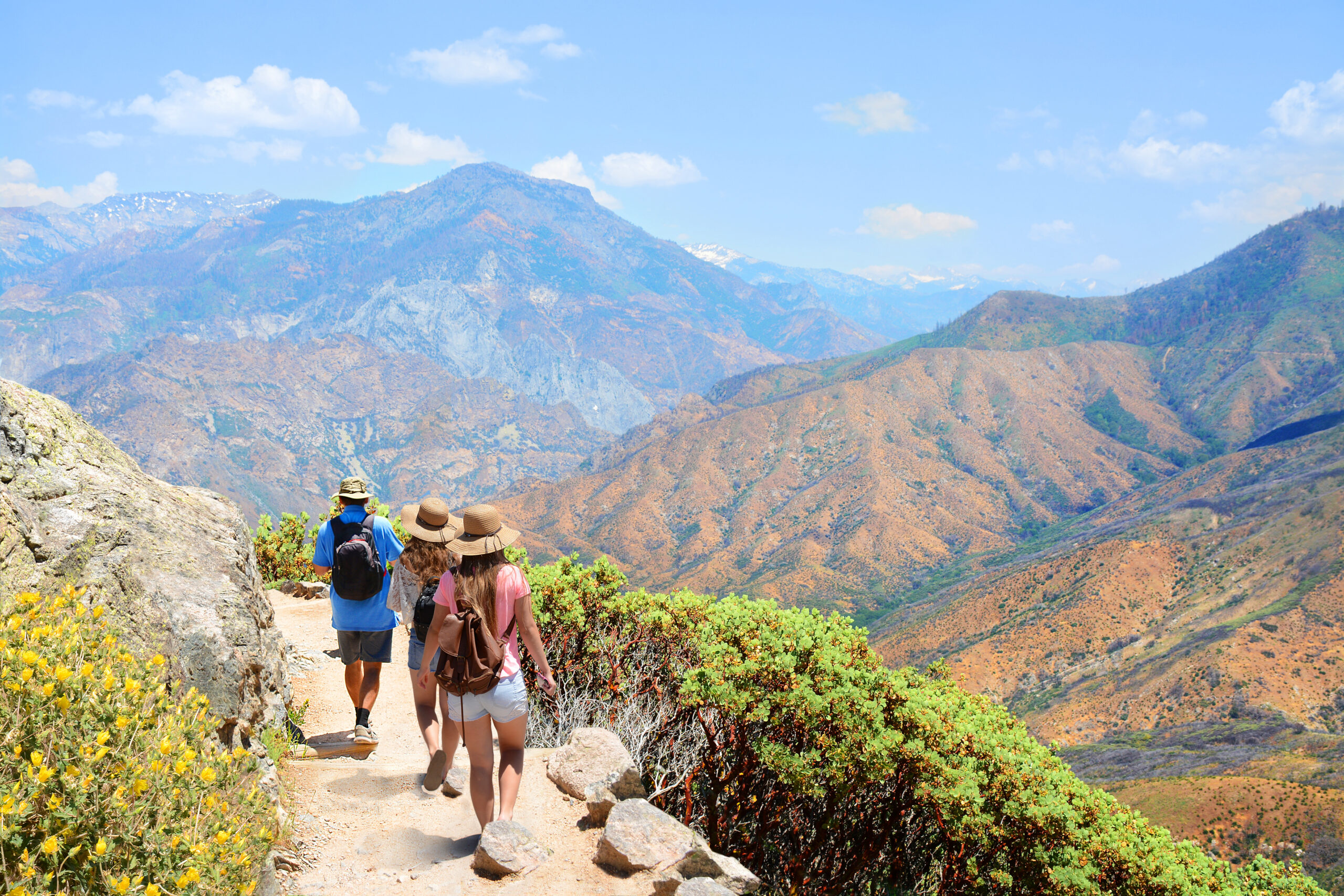
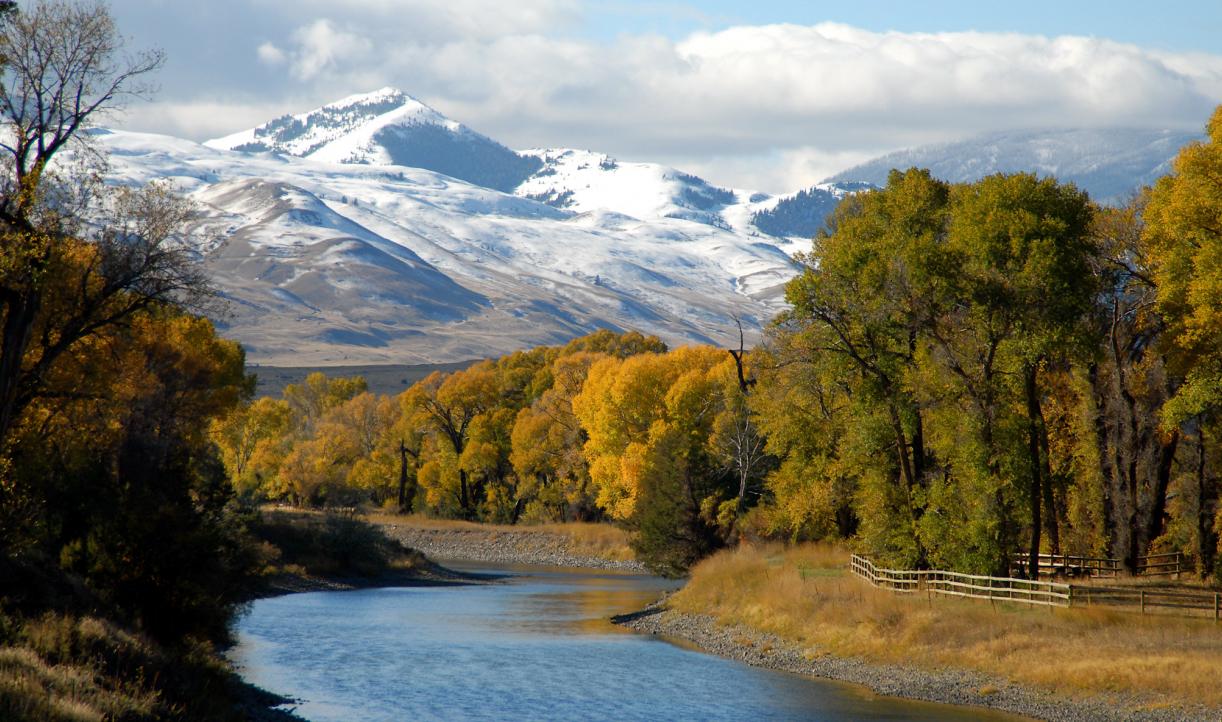
For millions of people across the Americas and around the world, a vacation often means a visit to a national park. National parks can be a source of great national pride, a way to showcase unique landscapes and educate visitors about an area's flora and fauna, history, and culture. It also can be an important source of revenue that national parks and protected areas provide benefits equivalent to 3% of GDP.
However, the national parks and other protected areas are threatened by air pollution or encroaching development—they are now confronting intensifying threats due to climate change.

Read More

https://ecpamericas.org/newsletters/national-parks-in-a-changing-climate/

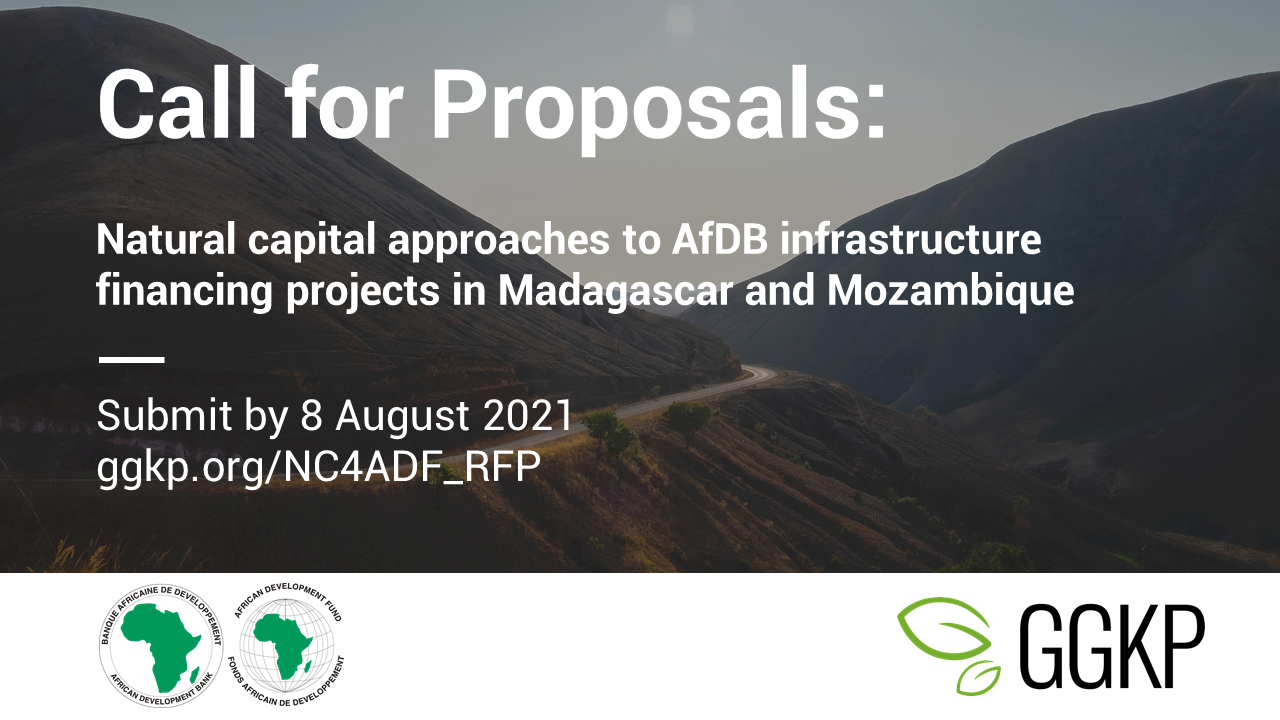
The African Development Bank (AfDB) Group and Green Growth Knowledge Partnership (GGKP) have launched a call for proposals to identify a technical partner to apply robust natural capital methods, support data collection and generate convincing results to influence infrastructure decision making in African development finance.

There are two AfDB infrastructure projects in Mozambique and Madagascar for which proposals are requested. One proposal for each country will be selected in this round.

French and Portuguese versions of the request for proposals (RfPs) are available.

Read More

https://www.greengrowthknowledge.org/news/call-proposals-%E2%80%93-natural-capital-approaches-afdb-i...

Biodiversity loss is a risk to the global financial system

'Just as financial institutions have a responsibility to ensure that they are not a conduit for money used to do harm through criminal activity, there is a growing sense that the finance sector has a responsibility to manage the economic risks associated with nature degradation – and ensure they are not a conduit for finance that is destroying nature.

Read More

https://www.theguardian.com/commentisfree/2021/jul/04/biodiversity-loss-could-wreck-the-global-finan...