About this Discussion

Natural capital encompasses the world's living and non-living natural assets. It forms the basis for environmental and economic life through natural resource production and the provision of ecosystem services. Natural resources are the foundation of social and economic development. Given the critical role they play in maintaining biodiversity and enabling green economic growth, safeguarding such assets could not be more pressing.

To incorporate natural capital into national green growth planning, it is critical for decision-makers to have access to information that reflects the quality, quantity and spatial configuration of natural capital assets. The utility of natural capital analysis for policymaking is ultimately dependent on the availability of information, which can be provided through data platforms and tools.

The GGKP’s Natural Capital Expert Group is currently exploring state-of-the-art methods, models, data and tools for mainstreaming natural capital in national green growth policies and practices. The group is leveraging global momentum for green growth in order to better value, protect and enhance natural capital in national economic decision-making.

Upcoming Events

Natural Capital

A post is already pinned to this stream. Would you like to replace it?

Today, the Taskforce for Nature-Related Financial Disclosure (TNFD) released its first beta version of an integrated nature-related risk management & disclosure framework for market consultation.

Nature underpins the global economy. More than half of the world’s economic output – US$44 trillion of economic value generation – is highly or moderately dependent on nature. Yet most corporates, investors and lenders today are inadequately accounting for nature-related risks and opportunities.

Priority areas for further development of the framework include the Climate-nature nexus; Scenarios and timeframes; Scope of disclosures; Approach to materiality; Social dimensions; Defining nature-positive; Data, metrics and targets; and Sector-specific guidance.

Explore the framework & provide feedback via the new interactive TNFD platform.

Read More

http://framework.tnfd.global

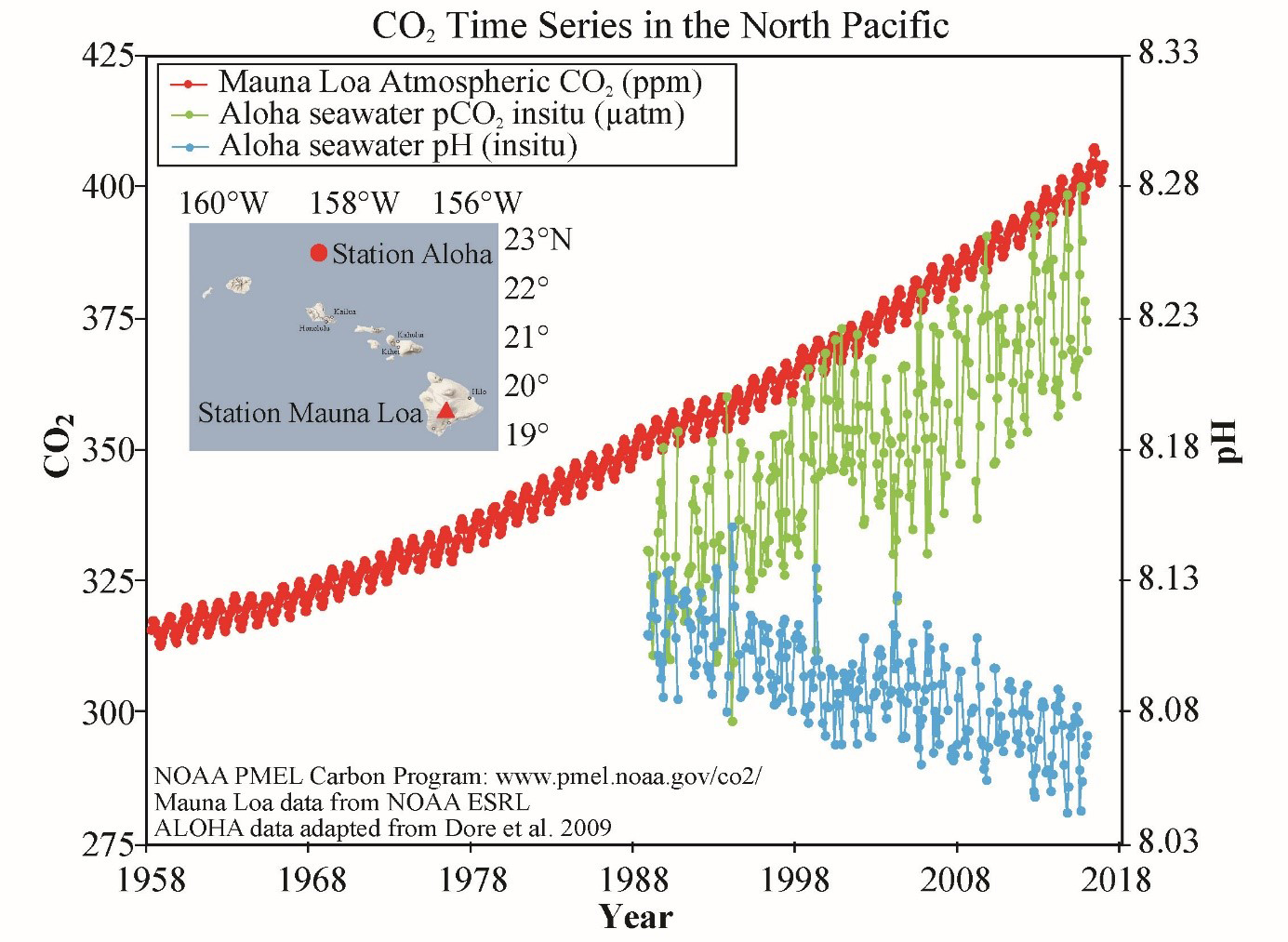
I recently read that ocean acidification levels will have a disruptive effect on marine ecosystems already over the coming two decades.

To prevent that, we need to stop atmospheric concentration asap.

Does somebody have more information about the thresholds which will endanger specific marine lifeforms?

To prevent that we need to stop atmospheric concentration asap.

Does somebody have more information about the thresholds which will endanger specific marine life forms at which pH threshold?

I read that pH 7.95 will be already very critical for plankton.

A collapse of the marine ecosystem needs to be prevented, no?

Read More

https://en.unesco.org/ocean-acidification

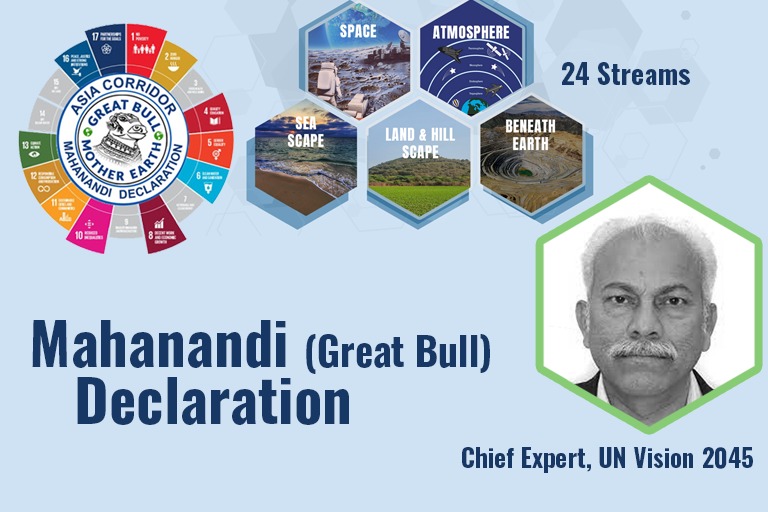
Let's talk on the declaration of great bull called mahanandi great bull declaration form the asia Pacific work station centred at mahanandi

Read More

www.mahanandideclaration.org

NEW RESEARCH

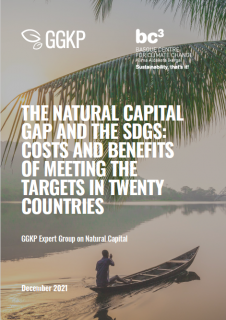
Basque Centre for Climate Change and GGKP developed an NCA methodology to assess the costs, benefits, and investment gap for achieving select natural capital-related SDG targets and applied it to 20 countries. The report found that for every nature-related SDG target analysed the benefits of investing in natural capital outweigh the costs.

By knowing which intervention will have the greatest impact in terms of natural capital and enhancement and financial return, this data can help governments and financial institutions prioritize their investments and meet their 2030 targets.

More from lead author Dr. Anil Markandya: ggkp.org/ZaY

Read More

https://www.greengrowthknowledge.org/research/natural-capital-gap-and-sdgs-costs-and-benefits-meetin...
pdfGGKP (2021). The Natural Capital Gap and the SDGs_Costs and Benefits_20 Countries.pdf8.21 MB

Biodiversity loss and financial stability

Healthy ecosystems provide "ecosystem services" (material and water supply, climate regulation, pollination, etc.) on which economic activities depend. Their alteration could disrupt economic activities with potential consequences for financial stability. For this reason, central banks and supervisors are taking an increasing interest in the financial risks associated with biodiversity loss (physical risk) as well as those potentially generated by the incompatibility of business strategies and models with economic and regulatory changes aimed at protecting biodiversity (transition risk). This post presents an initial analysis of the French financial system's exposure to these risks.

Read More

https://blocnotesdeleco.banque-france.fr/en/blog-entry/biodiversity-loss-and-financial-stability