About this Discussion

Natural capital encompasses the world's living and non-living natural assets. It forms the basis for environmental and economic life through natural resource production and the provision of ecosystem services. Natural resources are the foundation of social and economic development. Given the critical role they play in maintaining biodiversity and enabling green economic growth, safeguarding such assets could not be more pressing.

To incorporate natural capital into national green growth planning, it is critical for decision-makers to have access to information that reflects the quality, quantity and spatial configuration of natural capital assets. The utility of natural capital analysis for policymaking is ultimately dependent on the availability of information, which can be provided through data platforms and tools.

The GGKP’s Natural Capital Expert Group is currently exploring state-of-the-art methods, models, data and tools for mainstreaming natural capital in national green growth policies and practices. The group is leveraging global momentum for green growth in order to better value, protect and enhance natural capital in national economic decision-making.

Upcoming Events

Natural Capital

A post is already pinned to this stream. Would you like to replace it?

Mangroves are salt-tolerant coastal forests that have uniquely adapted to growing at the border between sea and land and they are one of Earth’s most resilient, productive, and biodiverse ecosystems. They provide habitat and nursery grounds for mammals, reptiles, birds, crab and shrimp species as well as more than 3000 fish species, of which many are commercially important. Through their ability to trap and stabilize sediments, mangroves increase water quality seawards, which benefits other highly diverse marine ecosystems, such as coral reefs and seagrass meadows. Most importantly though, they are also critical for the livelihood of about 120 Million people, who depend on them for food, raw material, and coastal protection. Without mangroves, many coastal communities that live off fishing in mangrove forests and surrounding waters would lose an important source of food and income.

Read More

https://www.iucncongress2020.org/newsroom/all-news/fostering-political-ambition-protection-mangrove-...

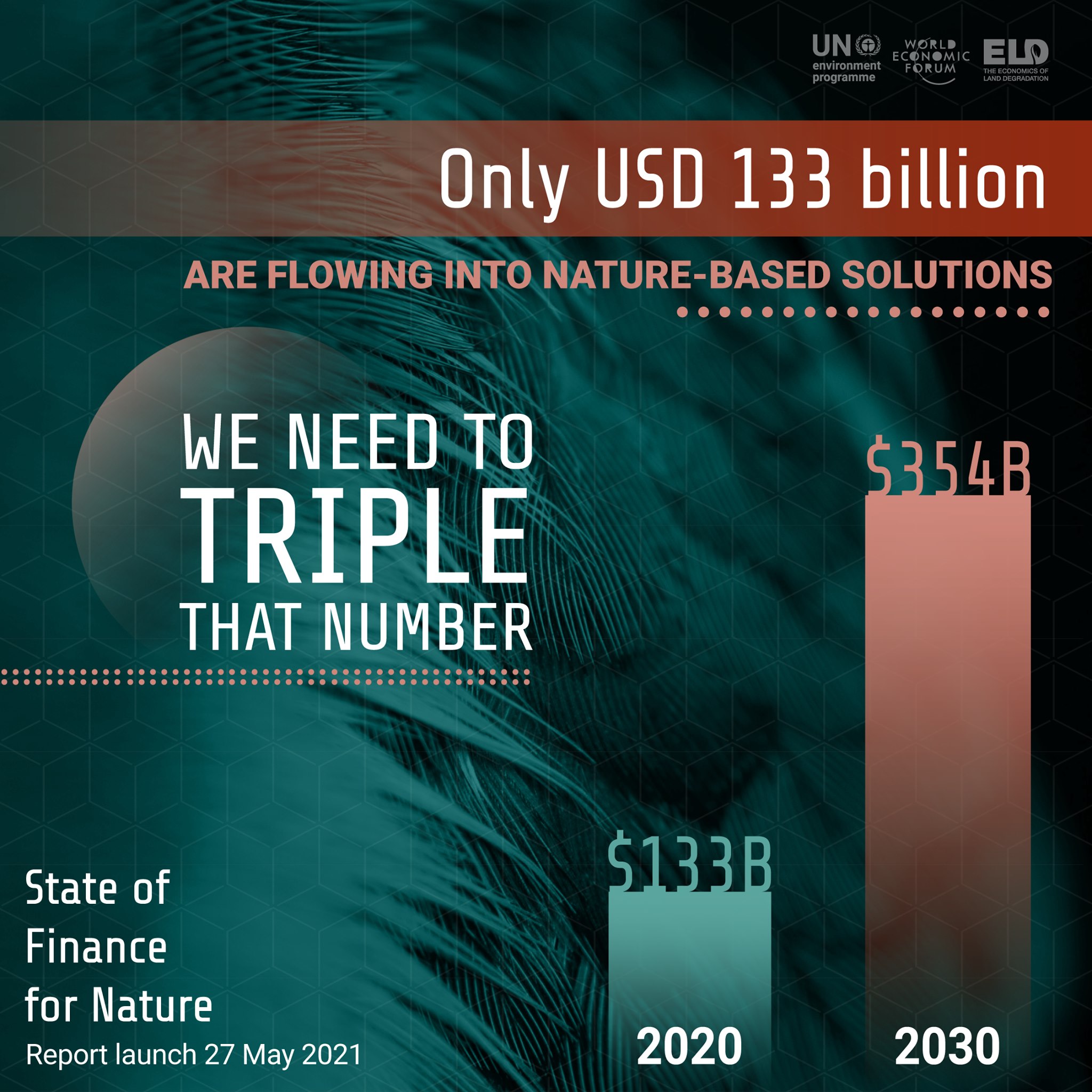
The new State of Finance for Nature report finds that if the world is to meet the climate change, biodiversity, and land degradation targets, it needs to close a USD 4.1 trillion financing gap in nature by 2050. The current investments in Nature-based solutions amount to USD 133 billion – most of which comes from public sources.

Read More

https://www.greengrowthknowledge.org/research/state-finance-nature
https://www.youtube.com/watch?v=lVrSQdwyEjg

Over the past 50 years, biodiversity loss has taken place at an unprecedented scale driven by extraordinary change in land and sea use and the overexploitation of natural resources.
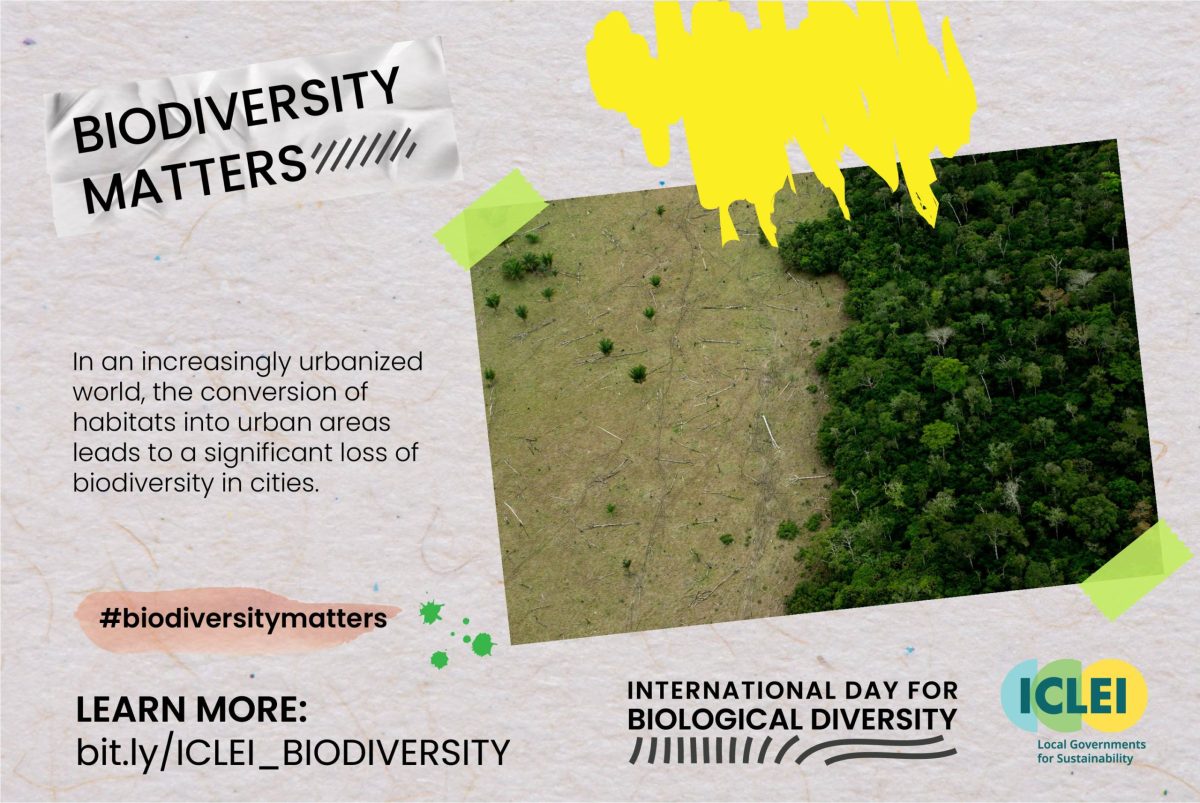
In an increasingly urbanized world, natural habitats have been converted to urban areas at an alarming rate. Historically, cities have posed a threat to biodiversity and natural ecosystems – but they can also be a part of the solution.

Read More

https://talkofthecities.iclei.org/10-reasons-to-promote-urban-biodiversity
Stephani Widorini commented on Andrew Pickens's Post in Natural Capital, Climate Change, Green Recovery from COVID-19
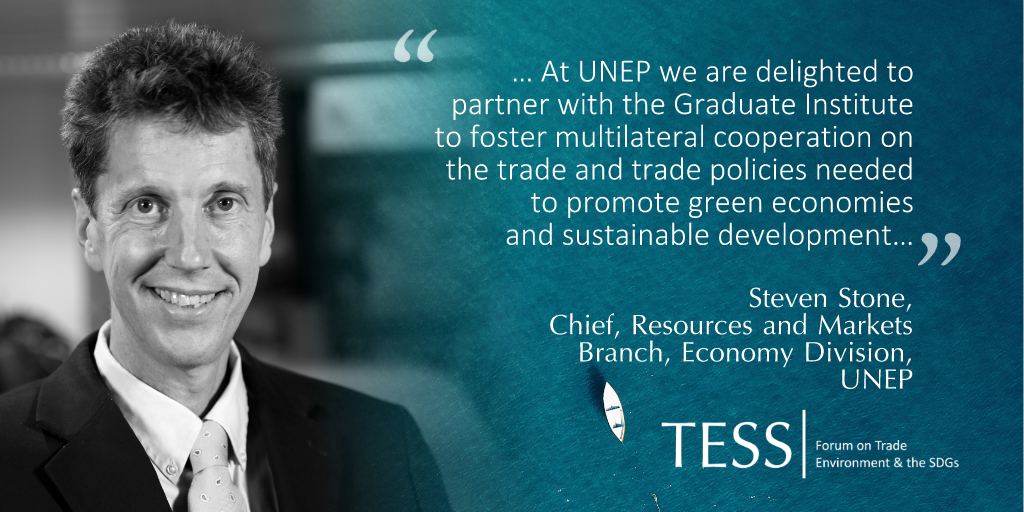
In the wake of World Environment Day, the Graduate Institute and UNEP have launched their new partnership, the Forum on Trade, Environment and the SDGs (TESS), to support dialogue and action on trade policies that advance environmental sustainability and the UN Sustainable Development Goals (SDGs).

Mandated to ‘connect, inform, analyse and empower’, the work of TESS combines public facing events and policy briefs; expert and stakeholder roundtables; and off-the-record consultations key to supporting international policymaking processes.

Read More

https://tessforum.org/
Default profile image

Created a Post in Natural Capital

Our efforts to protect and restore nature have overlooked the biggest single factor in biodiversity loss: the world’s inefficient and irresponsible use of natural resources.

Read More

https://www.unep.org/resources/report/building-biodiversity-natural-resource-management-approach

Unsustainable trade is behind the biodiversity crisis threatening our existence. But done sustainably, international commerce can help protect our planet’s precious resources.

Read More

https://unctad.org/news/why-trade-must-be-part-solution-biodiversity-loss

The world needs to quadruple its annual investment in nature if the climate, biodiversity and land degradation crises are to be tackled by the middle of the century. Investing just 0.1% of global GDP every year in restorative agriculture, forests, pollution management and protected areas to close a $4.1tn (£2.9tn) financial gap by 2050 could avoid the breakdown of natural ecosystem “services” such as clean water, food and flood protection.

Read More

https://www.theguardian.com/environment/2021/may/27/nature-financial-value-investing-global-gdp-avoi...

Created a Post in Natural Capital

The Big Green Internet Ltd. On the doorstep of the City of London. Last winter planted 41,000 trees (as new hedgerows), have 60,000+ planned for this winter ahead and half a million thereafter. Creating significant new wildlife habitat and natural capital. Project to link isolated and fragmented woods is under way too. This is a significant ecological intervention with quick win results (hedgerows grow fast).

Read More

Stephani Widorini commented on Stephani Widorini's Event in Natural Capital

Created an Event in Natural Capital
University of Oxford

The recently published Dasgupta Review has made a strong call for the fundamental rebuilding of economic models in ways that inherently value Nature. These are welcome findings, coming at a time when existing economic structures, extractive systems and patterns of consumption are eroding ecological… Read More

Nature-based solutions play a crucial role in achieving water security. Read how New York City utilises nature to protect its unfiltered water supply.

Read More

https://medium.com/mark-and-focus/nature-based-solutions-for-water-security-4b16da3cf061